What The Law And Platform TOS Say About AI Character Accounts In 2026
FLB Studio
May 14, 20267 min read

If you started an AI character account in late 2024, the rules around disclosure were largely advisory. By mid-2026, they are concrete, automated, and enforced. TikTok now labels well over a billion AI-generated videos using C2PA Content Credentials and invisible watermarking, often before a creator self-discloses. Meta runs auto-flagging tied to embedded metadata. YouTube requires manual labelling with real penalties for repeated misses. None of this makes AI character accounts harder to run, but it does make compliance non-negotiable. This piece is a practical guide to what each major platform requires, what advertisers have to do in addition, and where AI characters still hit hard walls around monetization.
The universal baseline is disclosure. Across every platform, AI-generated imagery of human-like figures must be labelled as such, both at the account level (in the bio) and at the post level (a label, sticker, on-screen text, watermark, or the platform's built-in AI toggle). Captions generated by AI, AI-written hooks, and AI-suggested hashtags are generally exempt: the rules target synthetic visuals and voices, not text assistance. Impersonating a real person is forbidden regardless of disclosure, and "misleading viewers" is the catch-all that platforms invoke when something is borderline. TikTok's policy team summarises it as "when in doubt, disclose", and that posture lines up with Meta and YouTube too.
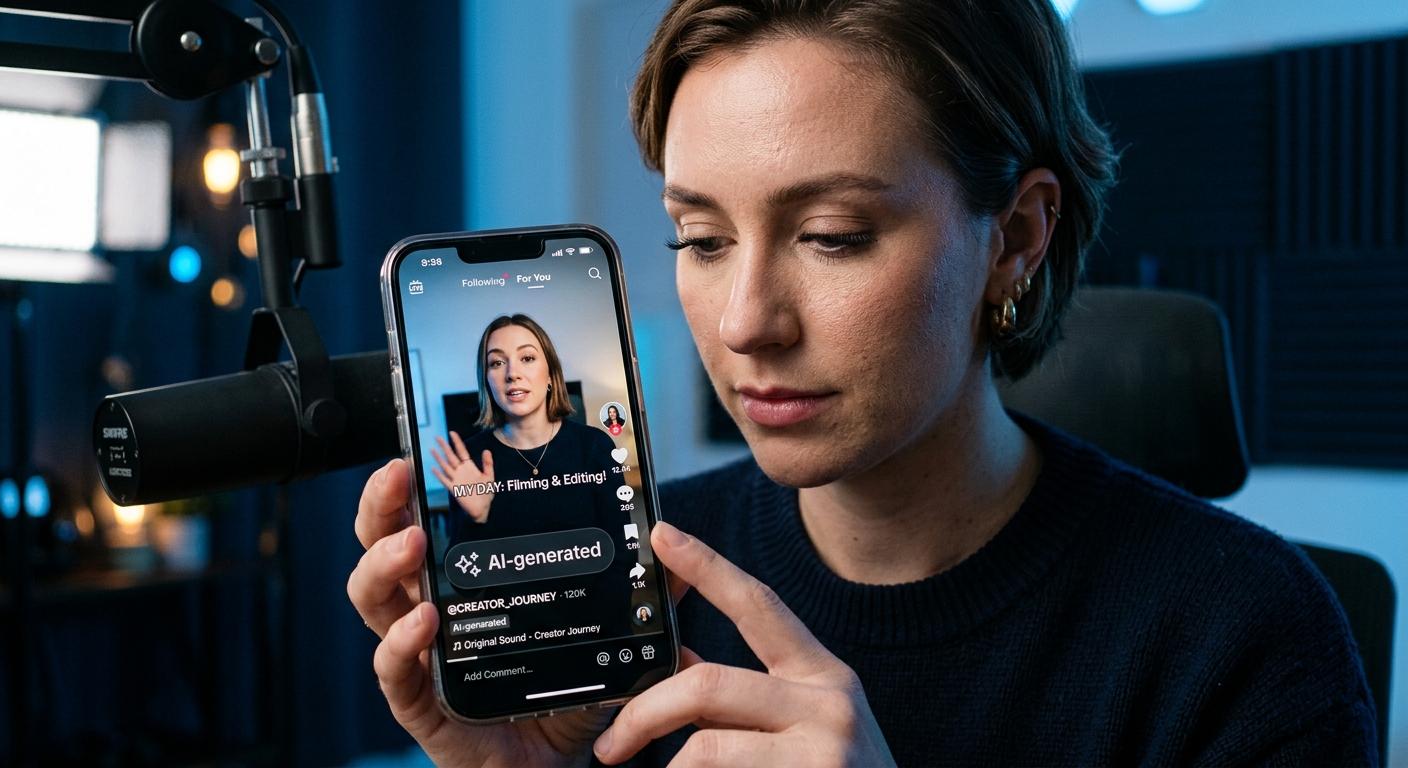
TikTok is the strictest in practice. AI avatars are allowed as long as they are clearly labelled and do not impersonate real people, but the platform has explicitly blocked virtual influencers from joining the TikTok Creator Rewards Program. That means an account built entirely around an AI character cannot earn native ad-share revenue on TikTok; income has to come from brand sponsorships, affiliate links, off-platform products, or paid subscriptions instead. On the content side, TikTok's automated detection means that failing to disclose carries real risk: content removal and account restrictions, not just a strongly-worded email. Ads on TikTok have an additional layer: any ad with AI-generated visuals or audio must use the AI Disclosure tag in Ads Manager, and the linked landing page must carry the same disclosure or the ad will be rejected.
Meta and YouTube are slightly less aggressive on enforcement but ask for the same shape of compliance. Meta relies on a mix of auto-flagging and manual creator tagging, with the platform itself adding labels when its detection systems spot AI-generated material. YouTube enforces creator-side disclosure for content that "could be mistaken for a real person, place, or event", with repeated non-disclosure leading to monetization removal or content takedowns. Both platforms accept AI character creators on the content side; the question is no longer "are AI characters allowed" but "are you labelling them correctly".

Advertising adds two more layers. The first is FTC-style endorsement disclosure: if a brand pays an AI character to feature its product, that relationship has to be disclosed in the caption regardless of platform, the same way any sponsored post would be. The second is platform-specific ad disclosure, which is the AI Disclosure tag described above for TikTok and equivalent label flows on Meta and YouTube. Health, financial, and political ads carry heavier scrutiny across all platforms; AI characters in those verticals should expect closer review and slower approvals.
A practical compliance checklist, then: state in the bio that the character is AI; use the platform's built-in AI toggle on every post that features the character; disclose any sponsorship in the caption itself; route ads through the platform's AI disclosure flow and keep landing-page disclosure consistent; never imply the character is a real person; and keep an internal log of who reviewed each post. None of this is harder than the existing review cycles any small brand runs for its blog or newsletter. If anything, it is simpler, because the rules are now explicit rather than guesses.
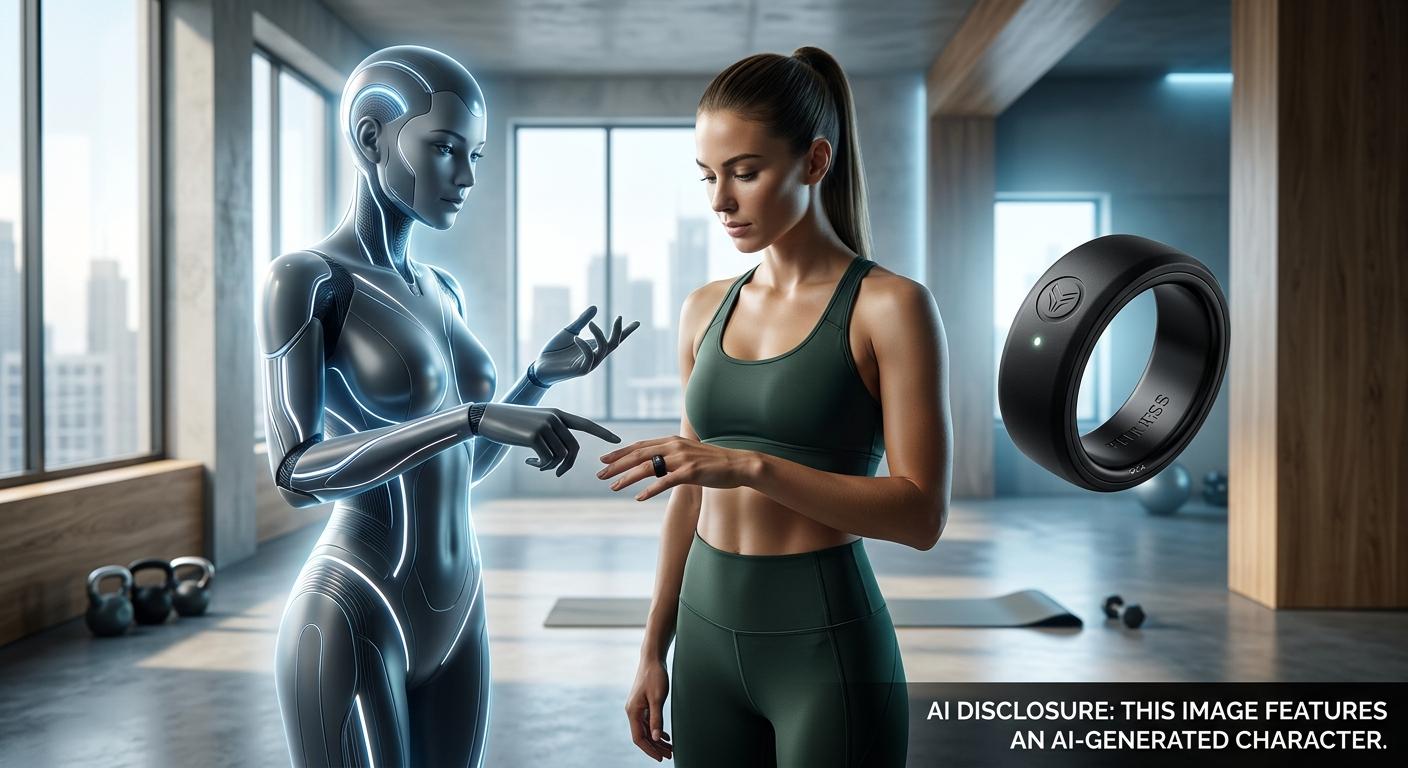
Flying Bears Talent makes the production side of this workflow simpler, but the disclosure work still belongs to the operator. A short overview of how persistent character identity is structured, which is the production half of the compliance picture, is on the Flying Bears Talent.AI landing page. Frequently-asked questions about supported formats, aspect ratios, and what the platform does and does not do are on our FAQ page. And when an account is ready to scale into a serious cross-platform posting cadence (with the disclosure burden growing with the volume), our monthly plans and credit packs line up credit allowances with that throughput.