Build A Plant Based Weeknight Cooking Instagram Account With An AI Character: A Step By Step Guide
FLB Studio
May 12, 20268 min read
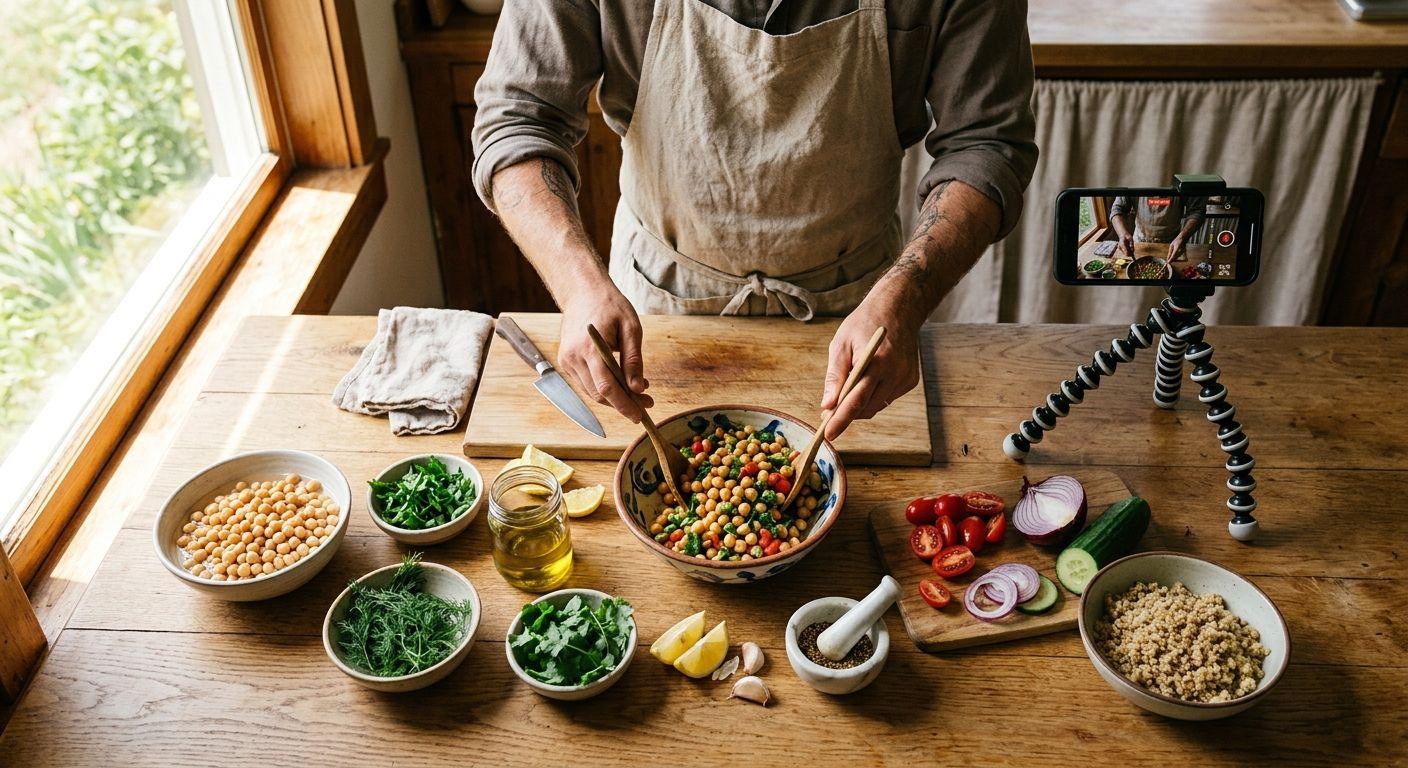
This guide shows how to build an Instagram account focused on 4-ingredient plant-based weeknight recipes using Flying Bears Talent. The face is one recurring AI character home cook; the content is short recipes shot top-down plus one labelled pantry staple per post. The example character is Theo, a warm mid-thirties man with rolled sleeves, a simple linen apron, and the relaxed presence of someone who actually cooks dinner most nights. By the end of the guide you will have Theo locked in, a wardrobe and kitchen location set, a first recipe post with a real pantry staple as the product, and a weekly batch that covers three recipes in one session. You need a laptop, photos of two or three real pantry items you actually use, and roughly two hours for the first run.
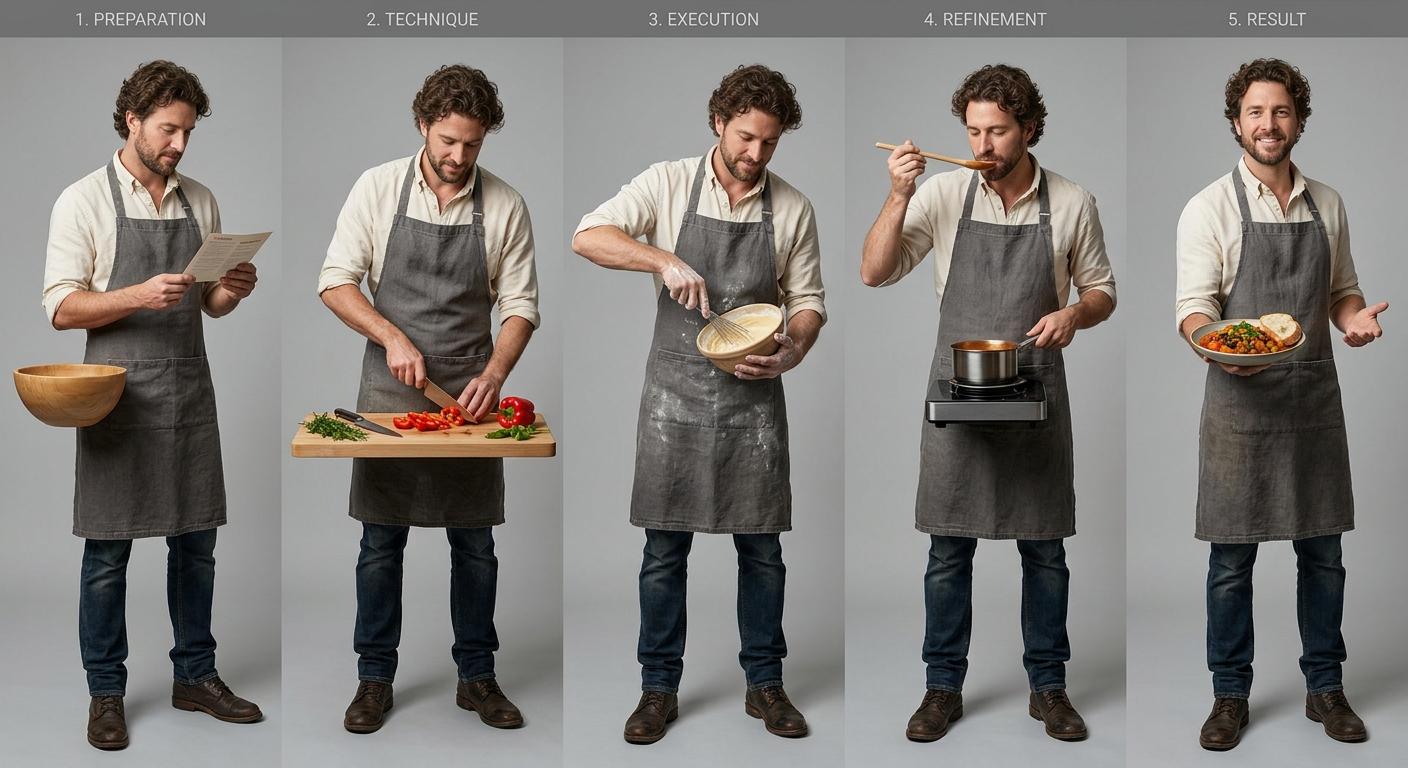
Step 1: Create the character. Open the new character form and enter the traits. For Theo: name "Theo", mid thirties, heritage that fits your target audience, vibe "warm, calm, unfussy, quietly enthusiastic about food", style "linen button-downs with rolled sleeves, simple linen apron, denim, leather slip-ons". Add a note that the linen apron is the signature and should appear in every cooking-action generation. Save, then generate the four additional canonical poses from the character page. Check each pose: apron present, sleeves rolled, age and face consistent across the five references. Regenerate any pose that drops the apron or shifts him younger. The reasoning behind a locked identity is on the Flying Bears Talent.AI landing page.
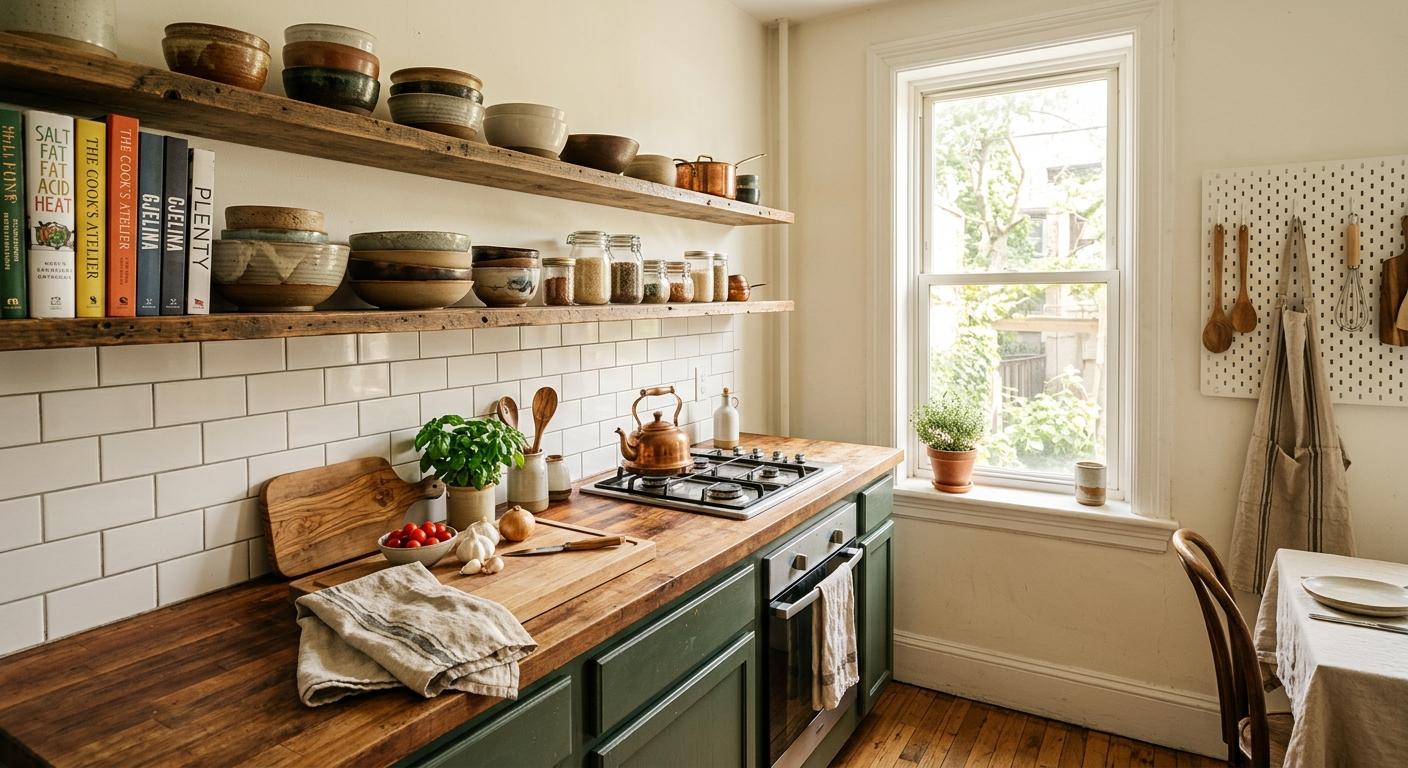
Step 2: Build the wardrobe and lock the location. In the wardrobe section, upload one photo per piece and tag the category. Start with five items: a natural linen apron (full outfit, signature), two button-down shirts (top, white linen and chambray blue), straight-leg denim (bottom), and brown leather slip-ons (shoes). For the location, use the location input in describe mode: "a small bright apartment kitchen with butcher-block counters, white subway tile, open shelving with ceramic bowls and a few cookbooks, a single south-facing window, late-morning natural light". If you have a reference photo of a kitchen you admire (with rights to use), upload it in upload mode for tighter grounding. Enable grounding so the model pulls real-world kitchen references for the layout.
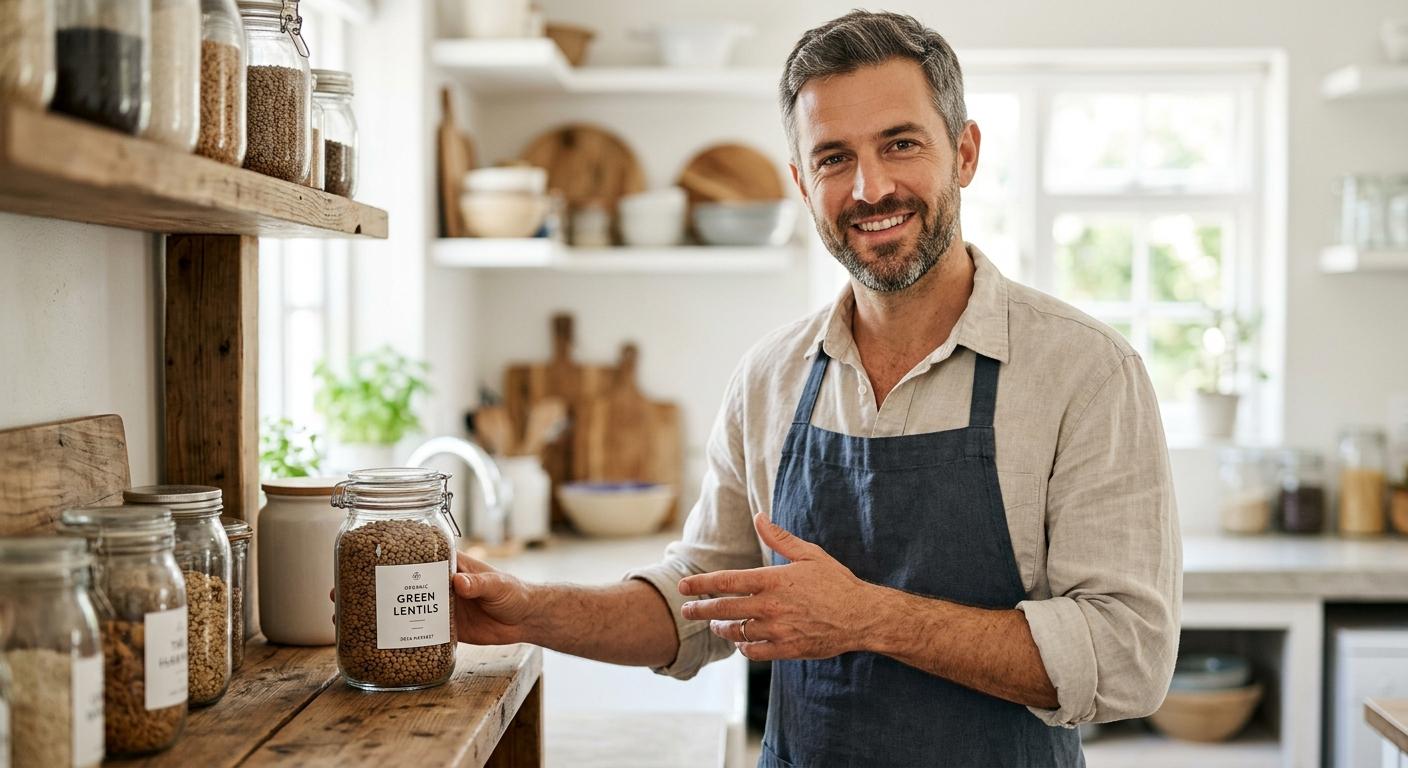
Step 3: Generate the first recipe post with a real pantry staple. Open the new post form. Attach Theo, select the linen apron, and upload a product image: a clean label-forward photo of the actual pantry item you are featuring (a specific miso jar, a tofu brand, a chilli oil). The product image is what the model anchors on, so use the real bottle or jar, not a stock shot. Scene description: "Theo stands at the kitchen counter holding the jar in one hand, the other resting on a wooden cutting board with prepped ingredients, late-morning window light, butcher-block counter visible". Camera angle: medium shot. Lighting: natural. Composition: rule of thirds. Aspect ratio: 4:5 for Instagram (or 9:16 if you want to repurpose as a Reel still). Generate, then review: label legible, apron present, Theo recognisable as the character from step 1. Tighten the scene description and regenerate if anything drifts.
Step 4: Batch three post types in one session. Hold Theo and the apron constant, then rotate three recurring frames per recipe. Frame one: hero shot of the finished dish in a real bowl (top down, 1:1, natural light, no character in frame). Frame two: Theo holding the labelled pantry staple at the counter (4:5, medium shot, label forward). Frame three: prep-board action (close-up of his hands chopping or pouring, 4:5, eye level, shallow depth of field). Three recipes per week means nine images per batch, but you can drop to two frames per recipe if credits are tight. Before publishing, open the Instagram preview card on each post to confirm the crop and the first caption line work as a thumbnail. Captions: write the four ingredients and three short steps yourself, then use the auto-caption feature only for the opening hook. The supported aspect ratios are listed on the FAQ page.
Step 5: Set a posting cadence and pick recipes consistently. A realistic weekly rhythm is three recipes: Monday (weeknight stir fry or one-pan), Wednesday (grain bowl or quick soup), Friday (something a little more involved for the weekend prep crowd). One batch session covers all of it. Pick recipes you actually cooked this week, not screenshots from a magazine; the captions land better when you can name the brand you used and the substitution you tried. Always credit the pantry brand visible in the photo and disclose any gifting clearly. When you are ready to add video Reels of the prep step or move to daily posting, our monthly plans and credit packs show which tier matches the throughput.
The pattern is small and repeatable: one cook with one locked accessory (the linen apron), one apartment kitchen, one real pantry staple per recipe as the product anchor, three recurring frames per recipe, batched weekly. Done consistently for a month, you will have twelve to fifteen posts that look like they came from a real home kitchen with a real cook who actually shops the brands he features. The character does not change, the kitchen does not change, and the pantry items are always real and credited. That is what separates a plant-based cooking account that builds trust from an AI feed of generic green smoothies and stock-looking grain bowls.