Build A Science Research Instagram And X Account With An AI Character: A Step By Step Guide
FLB Studio
May 12, 20268 min read
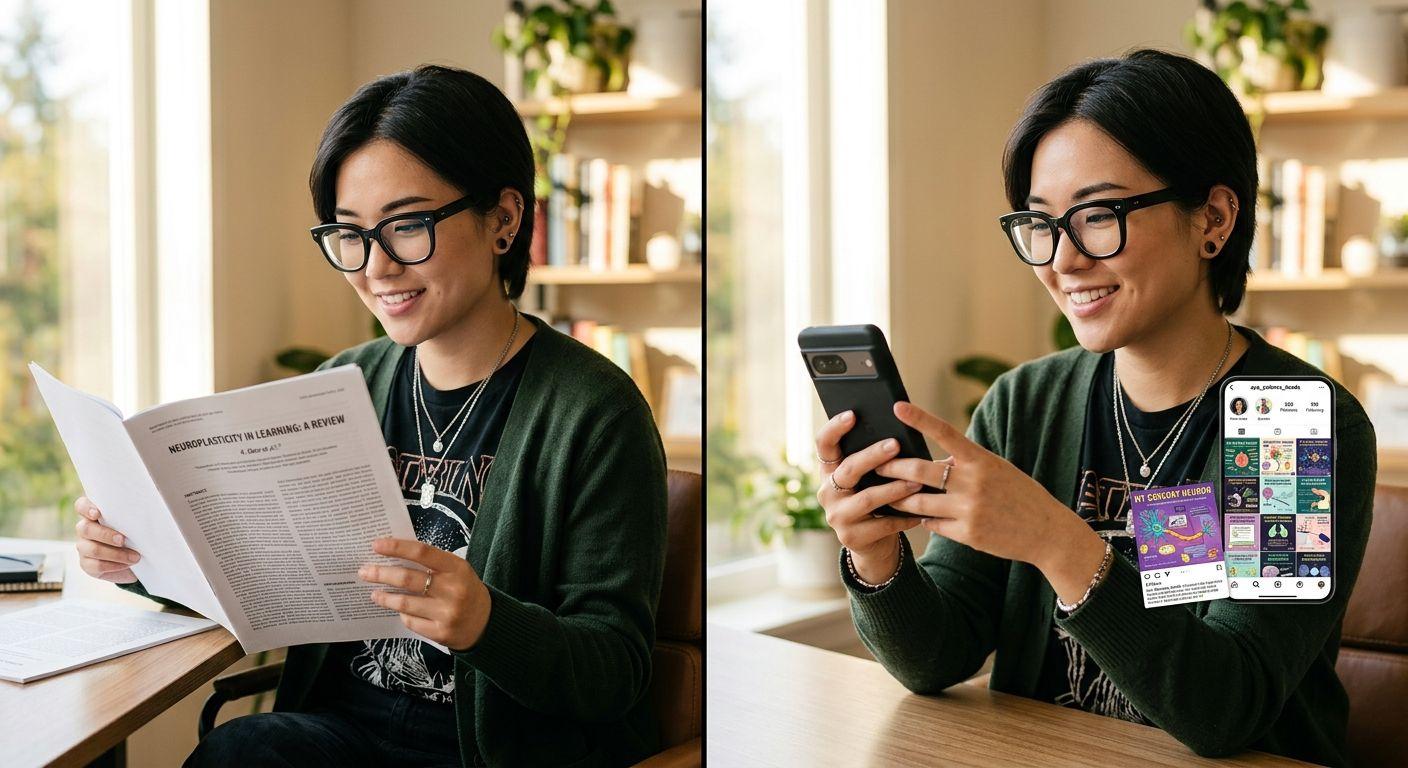
This guide shows how to build a cross-platform science account on Instagram and X using Flying Bears Talent. The face of the account is one recurring AI character; the content is short, well-sourced summaries of recent research papers and standalone science facts. The example character is Aya, a cute alt-style young Asian woman who always wears statement glasses. By the end of the guide, you will have a character locked in, a wardrobe and study location set, a first post with a real paper as the on-camera prop, and a weekly batching cadence that feeds both platforms from one session. You need a laptop, links to two or three open-access papers you actually want to talk about, and roughly two hours for the first run.
Step 1: Create the character. Open the new character form and enter the traits. For Aya: name "Aya", late teens to early twenties, East Asian heritage, vibe "alt, soft, intellectually curious", style "oversized cardigans, layered tees, pleated skirts, chunky boots, dark nail polish, and statement glasses (always on)". Add a short note in the description that glasses are non-negotiable and should appear in every generation, because that single accessory is what makes a science creator read as a science creator at a glance. Save, then generate the four additional canonical poses from the character page. Glance at each pose: glasses present, hair length consistent, face matches across all five references. If any pose drops the glasses or shifts her age, regenerate it before moving on. The reasoning behind keeping a single locked identity across hundreds of posts is on the Flying Bears Talent.AI landing page.
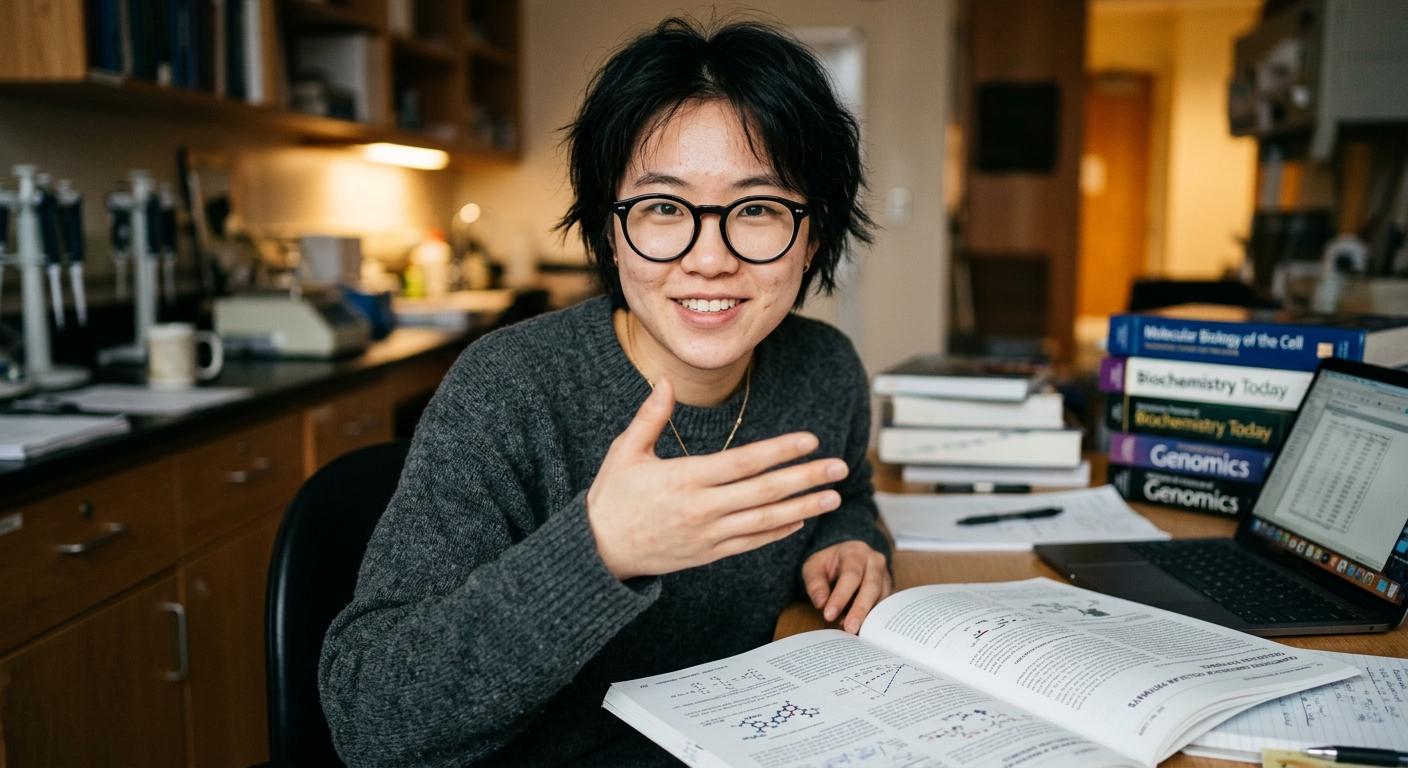
Step 2: Build the wardrobe and lock the location. In the wardrobe section, upload one photo per piece and tag the category. For an alt science creator, start with six items: two oversized cardigans (top, one cream and one charcoal), a graphic tee (top), a pleated mini skirt (bottom), chunky black boots (shoes), and two different glasses frames (accessory, one round tortoiseshell and one rectangular black). Rotating the glasses frames is the easiest way to give the feed visual variety without breaking character. For the location, use the location input in describe mode: "small home study with a cluttered desk, stacked physics textbooks, a desk lamp, a second monitor showing a paper, and soft evening light through a window". If you have a reference photo of a study you like (yours or one from Pinterest you have rights to use), upload it in upload mode for tighter grounding.
Step 3: Generate the first post with a real paper as the prop. Open the new post form. Attach Aya, select the cream cardigan and tortoiseshell glasses, and upload a product image: a clean screenshot of the first page of the actual paper you are summarising, or a printed copy of it photographed on a desk. The product image is what the model anchors on, so use the real paper, not a generic stock image of "a science paper". Scene description: "Aya sits at her study desk holding the printed paper, leaning slightly forward, soft evening light from the window, second monitor visible behind her". Camera angle: medium shot. Lighting: soft diffused. Composition: rule of thirds. Aspect ratio: 4:5 for Instagram. Generate, then review: paper title legible, glasses present, cardigan correct, Aya recognisable as the same character from step 1. If any drift, tighten the scene description and regenerate before continuing.
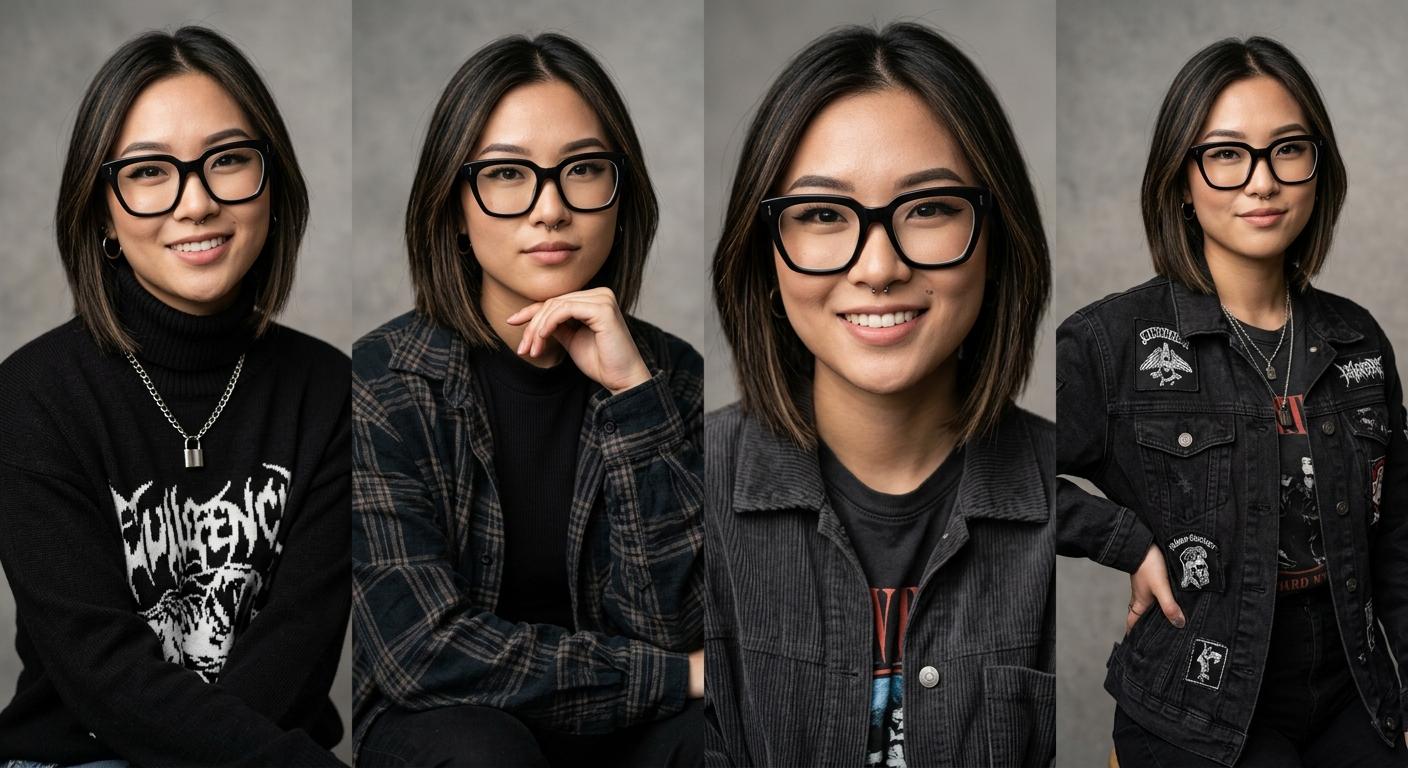
Step 4: Batch for both platforms in one session. Hold Aya, the cardigan, and the glasses constant for each paper, then generate four images per paper, one for each post format. Image one (4:5, medium shot): Aya holding the paper, for the Instagram carousel cover. Image two (4:5, close-up of a highlighted passage on the desk, Aya's hand visible): Instagram carousel slide two. Image three (1:1, headshot with the paper out of frame): the X post avatar-area image. Image four (16:9, wide shot of the desk with Aya and the paper): the X header or a quote-card background. Reuse one image across both platforms only when the crop genuinely works in both. For captions, draft the science explanation yourself (two sentences for X, three to five for Instagram), then use the auto-caption feature for the lifestyle framing and merge them. Before publishing, open the Instagram and Twitter preview cards on each post to confirm the crop and the first line of the caption work as a thumbnail. Supported aspect ratios and other generation parameters are listed on the FAQ page.
Step 5: Set a posting cadence and pick papers consistently. A realistic weekly rhythm is two papers and one standalone fact: Monday (paper summary on Instagram carousel, thread on X), Wednesday (standalone science fact, single image both platforms), Friday (paper summary again, same dual format). One batch session covers everything. Pick papers from one or two sources you trust (arXiv, bioRxiv, the journal's RSS feed) and read the abstract and figures before generating anything; the image is a vehicle for the explanation, not the other way around. Always link the paper in the caption with author names. When you are ready to expand into video summaries or a higher posting volume, our monthly plans and credit packs show which tier matches the throughput.
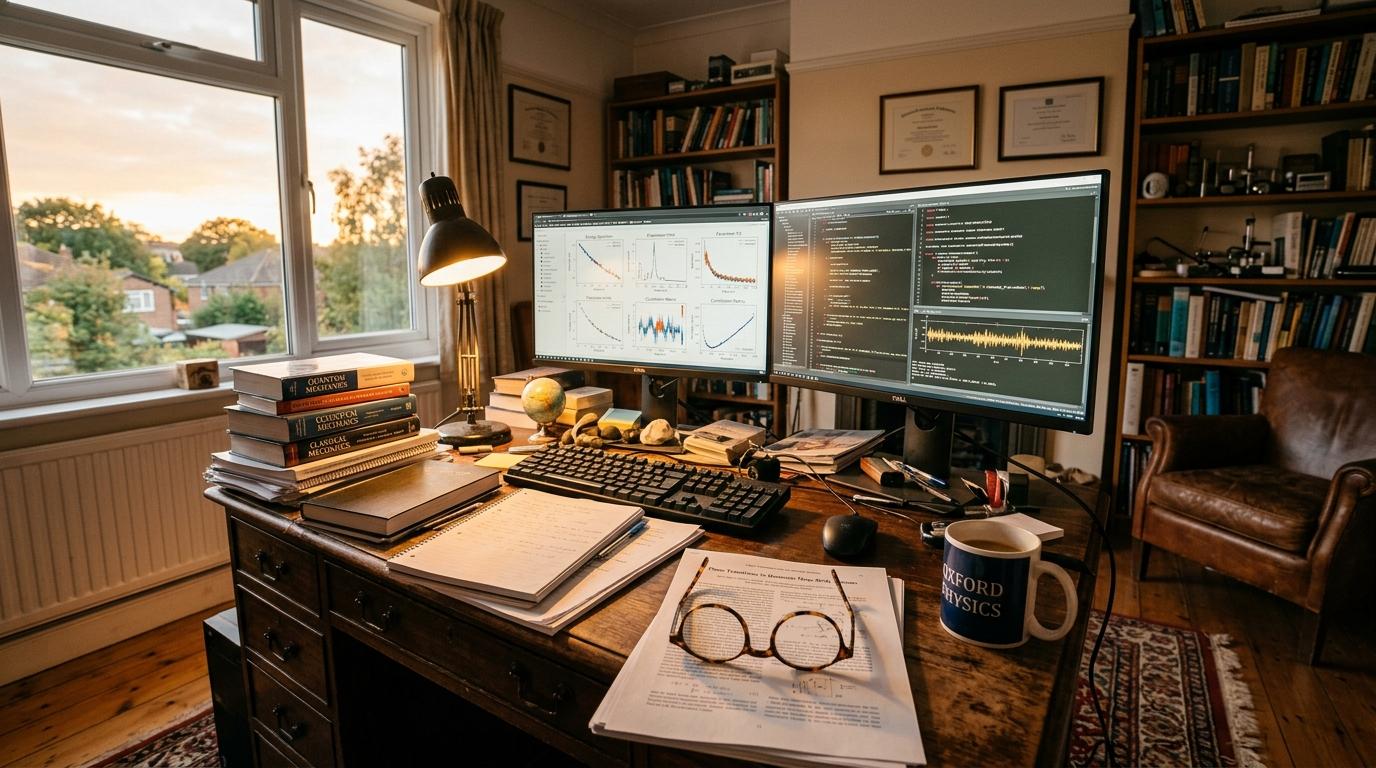
The pattern is small and repeatable: one character with one locked accessory (the glasses), one study location, one real paper per post, four images per paper covering both platforms, batched weekly. Done consistently for a month, you will have a coherent science feed on Instagram and a parallel thread-friendly feed on X, both anchored by the same recognisable face. The character does not change, the desk does not change, and the papers are always real and cited. That is what separates a science account that builds trust from one that looks like AI noise pretending to be smart.