Build A Tiny Apartment Plant Rescue Instagram Account With An AI Character: A Step By Step Guide
FLB Studio
May 12, 20267 min read
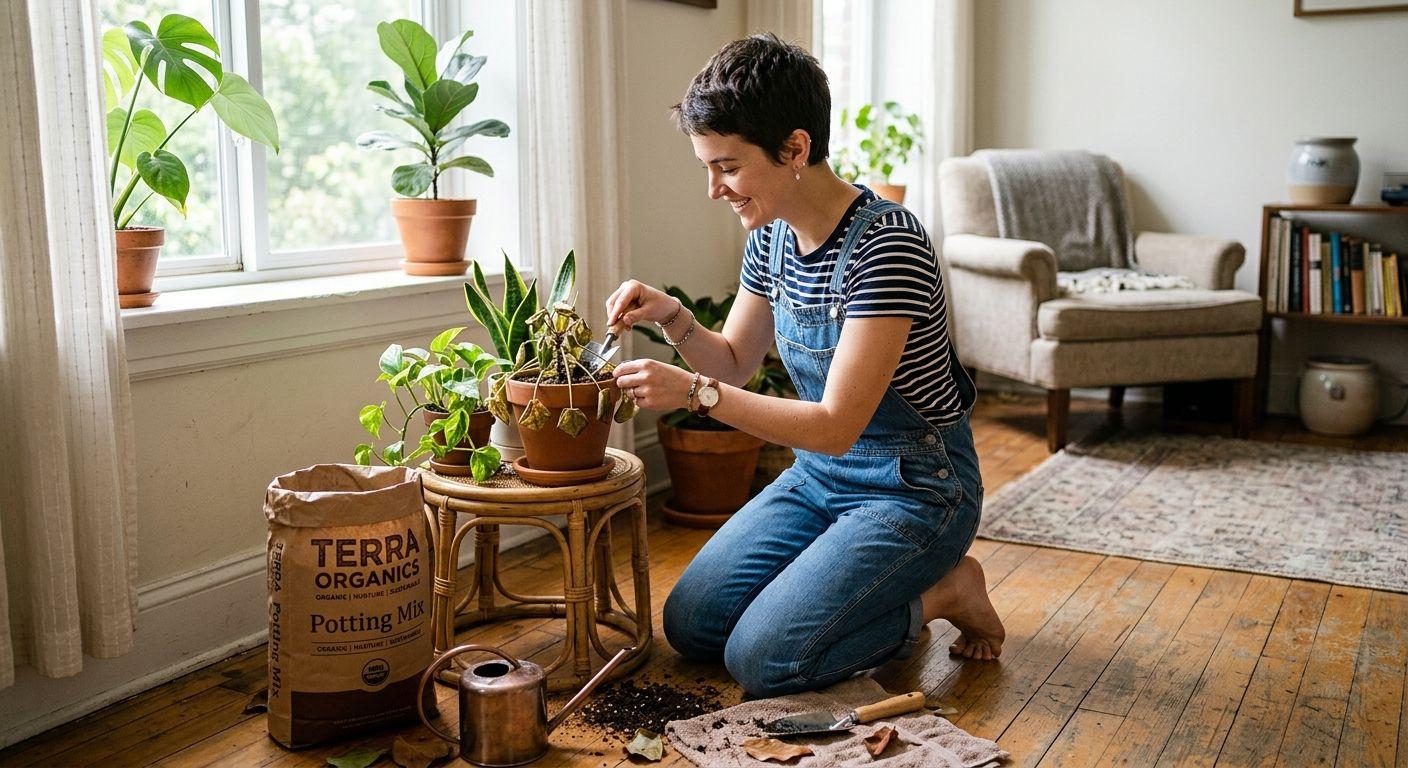
This guide shows how to build an Instagram account focused on before-and-after houseplant rescues in a tiny apartment using Flying Bears Talent. The face is one recurring AI character; the content is rescue stories of distressed plants, weekly care tips, and shelfie moments. The example character is Lila, a bubbly mid-twenties woman with cropped hair, warm energy, and the cheerful hands-on presence of someone who actually nurses plants back to health. By the end of the guide you will have Lila locked in, a wardrobe and window-corner location set, a first rescue post with a real plant and a labelled soil bag as the products, and a one-session weekly batching cadence covering three posts. You need a laptop, photos of a real distressed plant (and ideally a healthy "after" reference too), and roughly ninety minutes for the first run.
Step 1: Create the character. Open the new character form and enter the traits. For Lila: name "Lila", mid twenties, heritage that fits your audience, vibe "bubbly, warm, hands-on, encouraging", style "striped tees, denim overalls, soft linen shirts, cropped dark hair, simple gold studs, soil-streaked fingers on working days". Add a note that the cropped hair and a striped tee are the soft signatures; Lila should look like someone who can get dirt on her hands without flinching. Save, then generate the four additional canonical poses. Check each pose: cropped hair consistent, friendly expression steady, hands believable (not over-smoothed). Regenerate any pose where her hair grows longer or her hands look manicured-stock. The reasoning behind a locked identity is on the Flying Bears Talent.AI landing page.
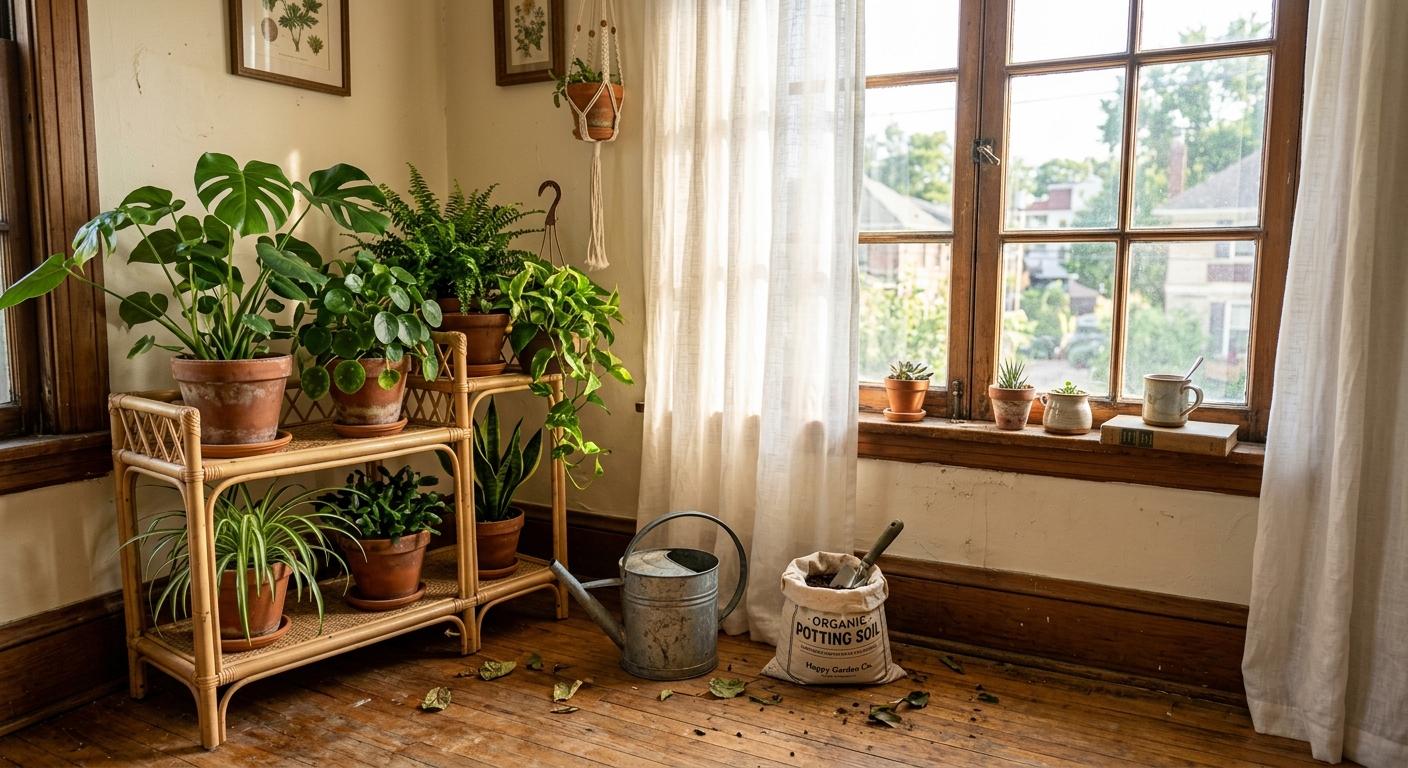
Step 2: Build the wardrobe and lock the location. In the wardrobe section, upload one photo per piece. Start with five items: two striped tees (top, navy/white and rust/white), denim overalls (full outfit), a soft cream linen shirt (top), and simple gold stud earrings (accessory). For the location, use the location input in describe mode: "a sunny window corner in a small apartment with terracotta pots on a rattan stand, a wooden plant shelf, a watering can, scattered leaves on a wooden floor, soft midday light through a sheer curtain". If you have a reference photo of a setup you admire (with rights to use), upload it in upload mode. Enable grounding so the model pulls real-world apartment-plant-corner references for honest clutter and light.
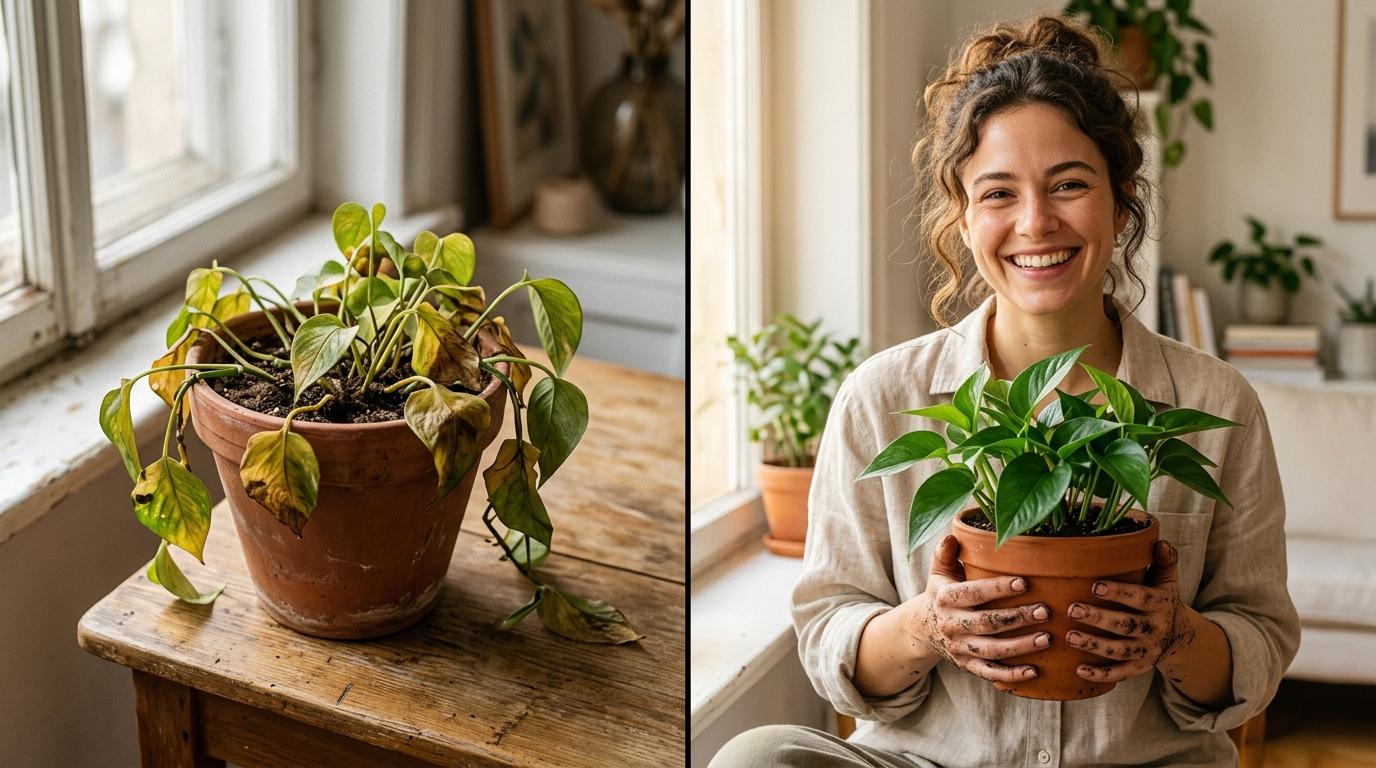
Step 3: Generate the first rescue post with a real plant. Open the new post form. Attach Lila, select the striped tee, and upload a product image: a clean photo of the actual distressed plant (the "before" state, in its pot, leaves and all). If you have a labelled bag of the soil or fertiliser you will use in the rescue, upload it as a second product image. The product images are what the model anchors on, so use the real plant and the real labelled bag. Scene description: "Lila kneels by the window corner inspecting the distressed plant on a rattan stand, soil bag on the floor beside her, soft midday light through the sheer curtain, terracotta pots in the background". Camera angle: eye level. Lighting: natural. Composition: rule of thirds. Aspect ratio: 4:5 for Instagram. Generate, then review: plant species recognisable, soil bag label legible, Lila recognisable. Tighten the scene description and regenerate if anything drifts.
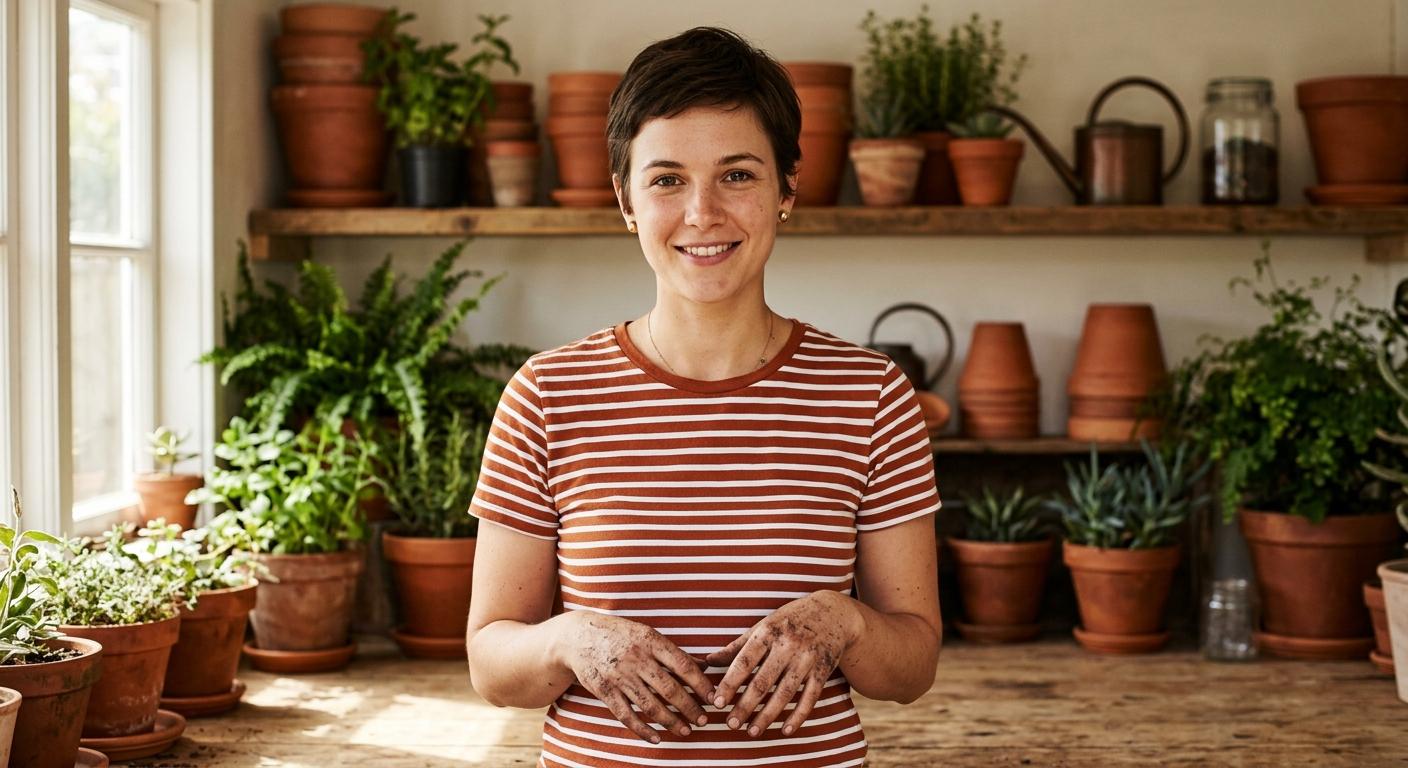
Step 4: Batch three post types in one session. Hold Lila and one tee constant per week, then rotate three recurring frames per rescue. Frame one: before shot with Lila and the distressed plant plus the soil bag in frame (4:5, eye level, the rescue setup). Frame two: care-tip close-up (1:1, top down of hands repotting or trimming, soil and roots visible). Frame three: after shot of the plant a week or two later, alone on the rattan stand in better light (4:5, eye level, no character). One rescue per week, three images per rescue. Before publishing, open the Instagram preview card on each post to confirm the crop and the first caption line work as a thumbnail. For captions, write your actual care notes (light, water, soil mix, what went wrong, what you changed); auto-caption only for the friendly opener. Disclose any soil or fertiliser sponsorship clearly. The supported aspect ratios are on the FAQ page.
Step 5: Set a posting cadence and stay honest about timelines. A realistic weekly rhythm is one rescue across three posts: Monday (before shot with the rescue plan), Wednesday (care-tip close-up of the repotting or pruning step), Friday or the following Friday (after shot once the plant has actually recovered, not before). One batch session covers the first two posts; save the after shot until the plant is genuinely thriving. Do not stage a fake "two days later" recovery; plant people know how long these timelines take and faking them erodes trust. Always credit the soil, fertiliser, or pot brand you used and disclose any gifting. When you are ready to add Reels of the repotting step or video care guides, our monthly plans and credit packs show which tier matches the throughput.
The pattern is small and repeatable: one warm character with cropped hair and a striped tee, one sunny window corner, one real distressed plant and one labelled soil bag per rescue as the product anchors, three recurring frames per rescue, batched weekly with honest timelines. Done consistently for a month, you will have twelve posts that read as a real plant person in a real apartment slowly bringing four plants back to health. The character does not change, the corner does not change, and the plants and brands are always real and credited. That is what separates a plant rescue account that builds care-curious trust from an AI feed of impossibly perfect monsteras that no one has ever actually watered.