Build A Trail Running Instagram And X Account With An AI Character: A Step By Step Guide
FLB Studio
May 12, 20268 min read
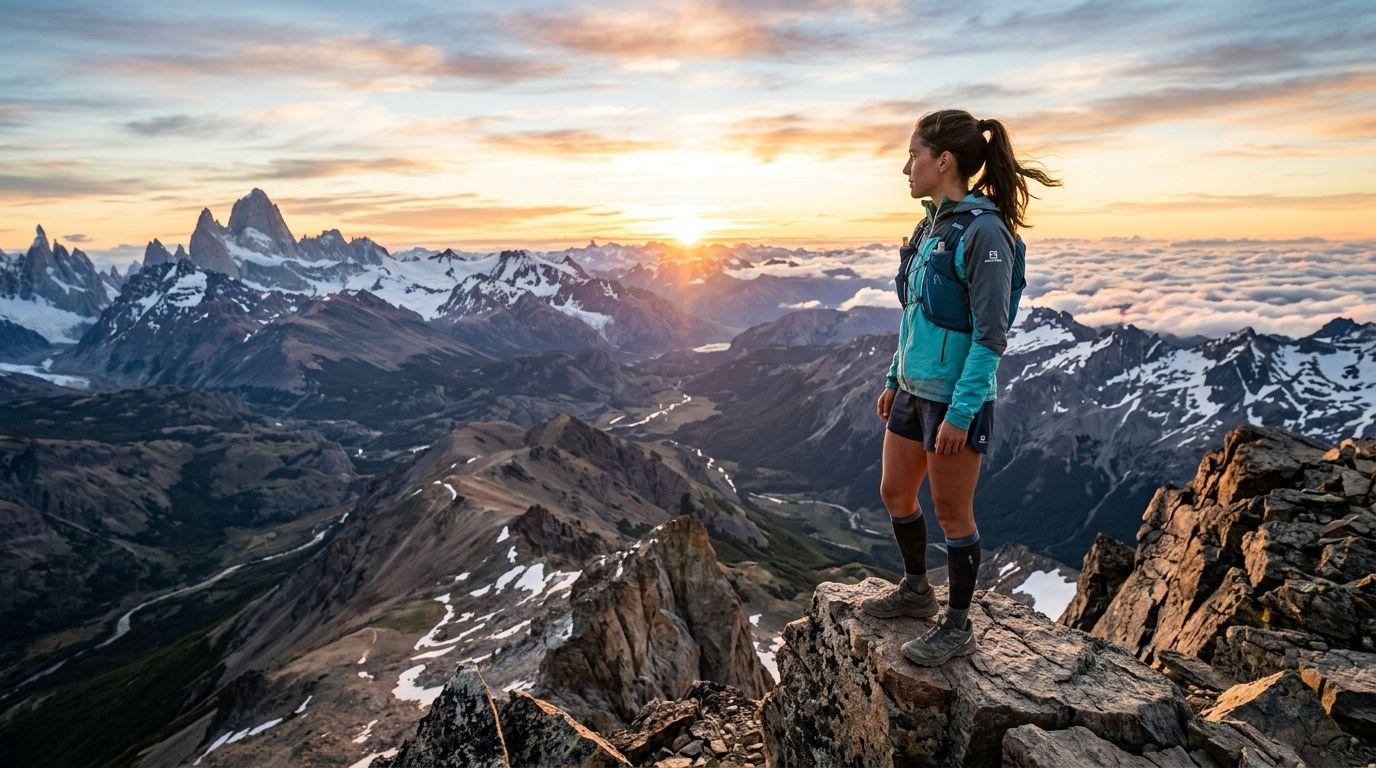
This guide shows how to build a cross-platform trail running account on Instagram and X using Flying Bears Talent. The face is one recurring AI character runner; the content is route recaps, long-term gear reviews, and training-day posts. The example character is Maya, an athletic late-twenties woman with a ponytail and a technical running jacket. The recurring location is the mountain itself, which means leaning hard on location grounding. By the end of the guide you will have Maya locked in, a wardrobe and trail location set, a first gear post with real shoes or a real pack as the product, and a one-session weekly cadence that feeds both platforms. You need a laptop, photos of two or three real items of gear you actually use, and roughly two hours for the first run.
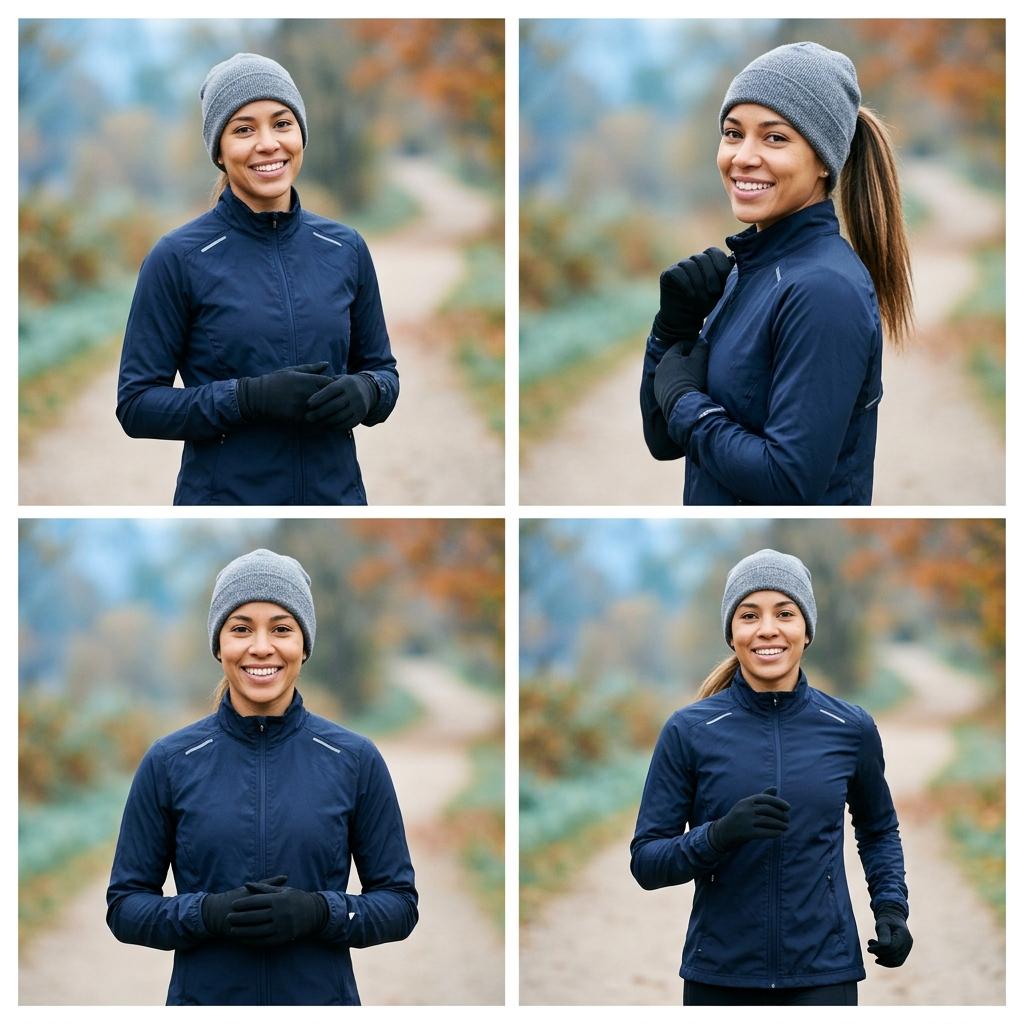
Step 1: Create the character. Open the new character form and enter the traits. For Maya: name "Maya", late twenties, heritage that fits your audience, vibe "calm, athletic, outdoorsy, weather-tested", style "technical running jacket, running shorts or tights, gloves and beanie for cold sessions, light layering, hair in a ponytail". Add a note that a specific technical running jacket (your favourite real one) is the signature and should appear in cold-weather generations; the ponytail is the secondary lock. Save, then generate the four additional canonical poses. Check each pose: jacket present in cold poses, ponytail consistent, athletic build steady across all five references. Regenerate any pose where the build shifts or the ponytail disappears. The reasoning behind a locked identity is on the Flying Bears Talent.AI landing page.
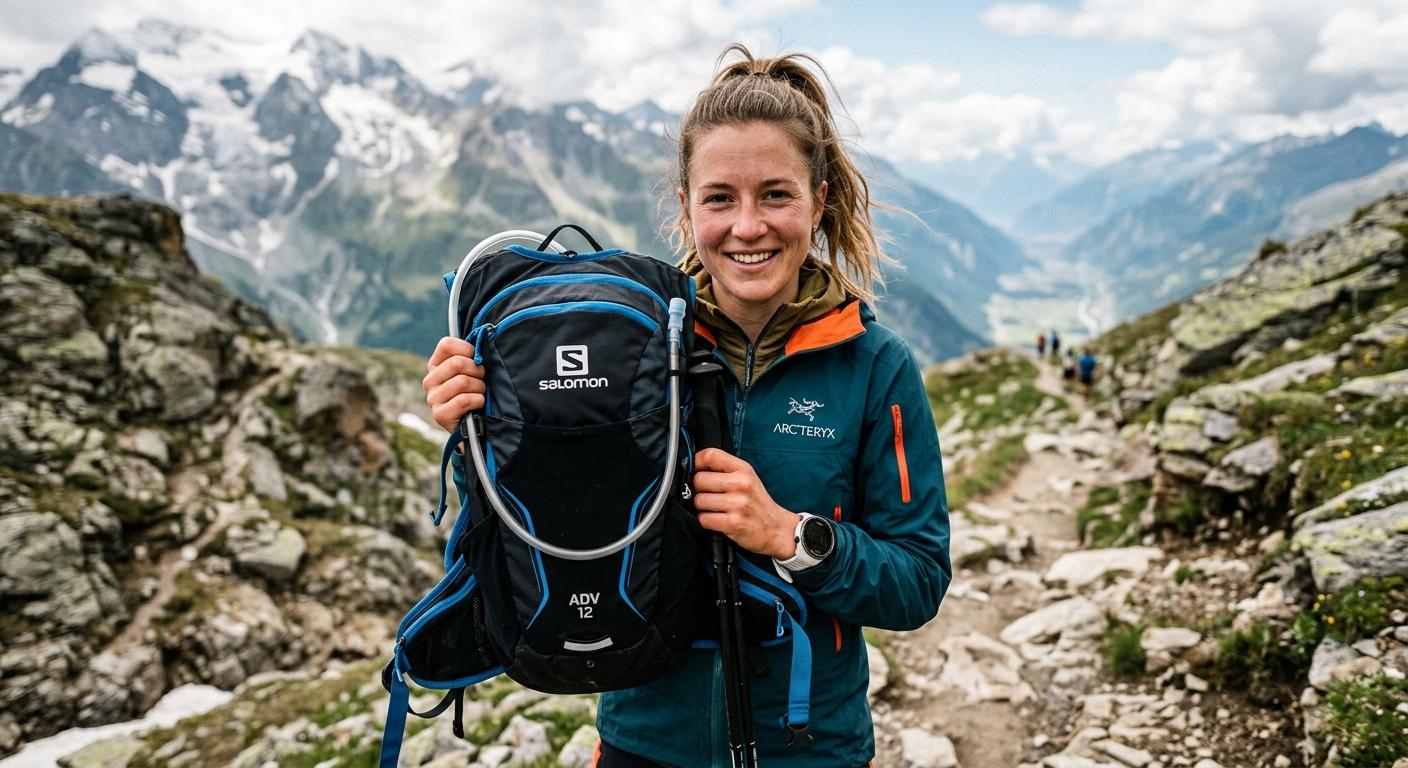
Step 2: Build the wardrobe and lock the locations. In the wardrobe section, upload one photo per piece. Start with seven items: a technical running jacket (top, signature), two base-layer tops (top, one short sleeve and one long sleeve), running shorts (bottom), tights (bottom), gloves (accessory), and a beanie (accessory). For locations, do not lock to one place; trail running is about terrain variety. Use the location input in describe mode for three recurring terrain types: "alpine ridgeline above the treeline with exposed rock and patchy snow", "shaded forest singletrack with mossy roots and dappled light", "high-meadow path with wildflowers and a clear horizon". Enable grounding aggressively so the model pulls real-world terrain references; trail authenticity reads in two seconds. If you have route photos from runs you have actually done (with rights), upload them in upload mode for tighter grounding.
Step 3: Generate the first gear post with real gear as the product. Open the new post form. Attach Maya, select the running jacket, and upload a product image: a clean photo of an actual piece of gear you use (running shoes, a pack, a bottle, a watch). The product image is what the model anchors on, so use the real item, not a press shot. Scene description: "Maya sits on a trailside boulder lacing up the shoes, alpine ridgeline behind her, golden-hour light, technical jacket visible". Camera angle: low angle. Lighting: golden hour. Composition: rule of thirds. Aspect ratio: 4:5 for Instagram. Generate, then review: shoe model recognisable, jacket present, terrain believable for the scene, Maya recognisable. If anything drifts, tighten the scene description and regenerate before continuing.
Step 4: Batch dual-format content per gear item or route. Hold Maya and the jacket constant per session, then generate four images per topic. Image one (4:5, medium shot, Maya in motion on the trail): Instagram carousel cover. Image two (1:1, foot-level close-up of the shoes or pack strap on a trail surface): carousel slide two and X post image. Image three (16:9, wide ridgeline pano with Maya small in frame): X header or quote-card background. Image four (4:5, mid-run portrait, sweat on the brow, jacket unzipped): carousel slide three. For captions, write your own route notes (distance, elevation, surface, weather) and your honest take on the gear after at least four real runs; auto-caption only for the lifestyle framing. The supported aspect ratios are on the FAQ page.
Step 5: Set a posting cadence and stay honest about gear. A realistic weekly rhythm is one route recap plus one gear long-term review plus one training-day post: Monday (route recap, carousel on Instagram, short thread on X), Wednesday (gear long-term review, single image both platforms), Friday (training-day or rest-day post, single image with a short caption). One batch session covers it. Only review gear after at least four weeks and ten runs of use, and disclose any sponsorship or product seeding in the caption. Never fake summit photos or claim routes you have not run; the trail community spots fakes fast and the reputation damage is real. When you are ready to add video B-roll or vertical Reels of the run, our monthly plans and credit packs show which tier matches the throughput.
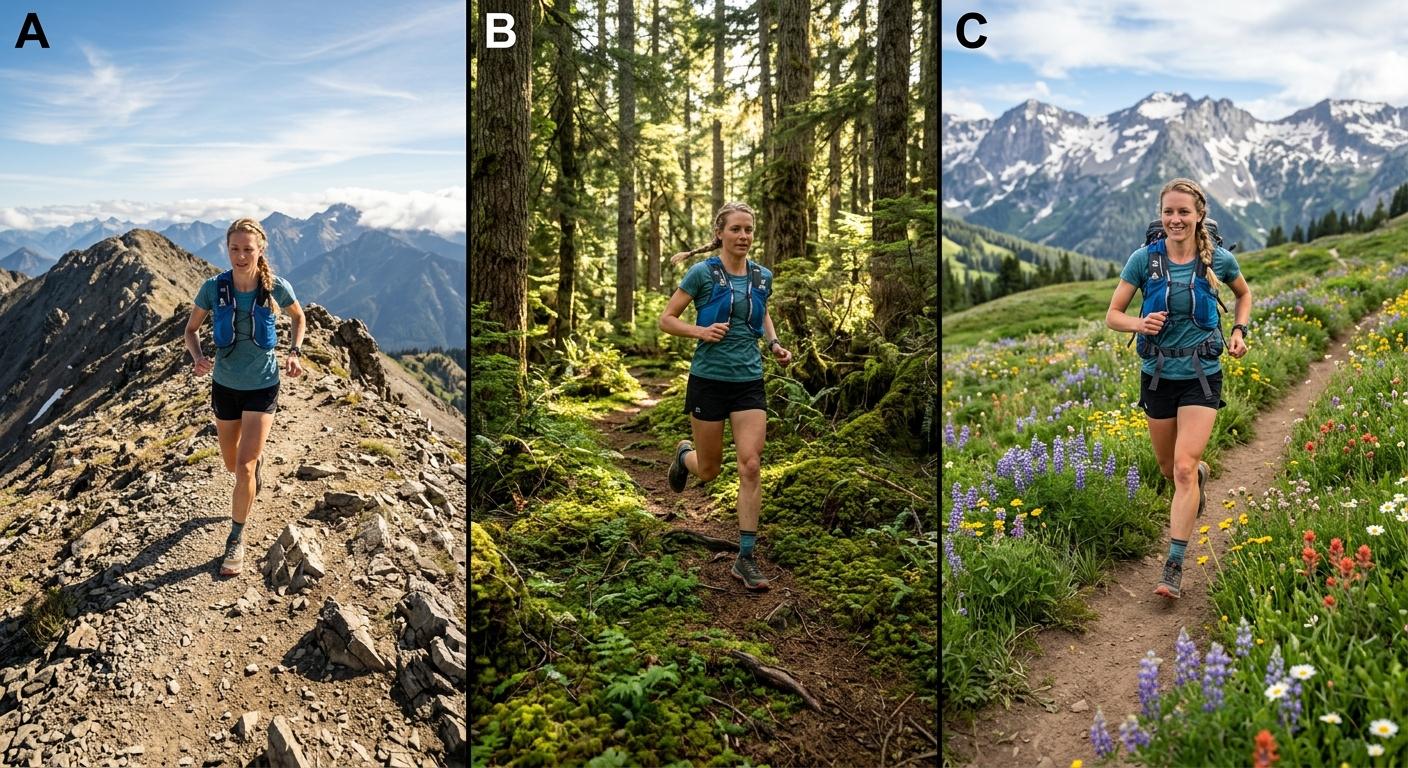
The pattern is small and repeatable: one runner with one locked accessory (the technical jacket and ponytail), three recurring terrain types, one real piece of gear per post as the product anchor, four images per topic covering both platforms, batched weekly. Done consistently for a month, you will have a coherent Instagram trail feed and a parallel X feed of route notes, both anchored by the same recognisable runner and the gear you actually wear. The character does not change, the gear is always real, and the routes are described honestly. That is what separates a trail account that builds runner trust from an AI feed of glossy mountain shots that no one has ever actually run.