How A Boutique Winery Can Use An AI Character On Social Media
FLB Studio
May 14, 20266 min read
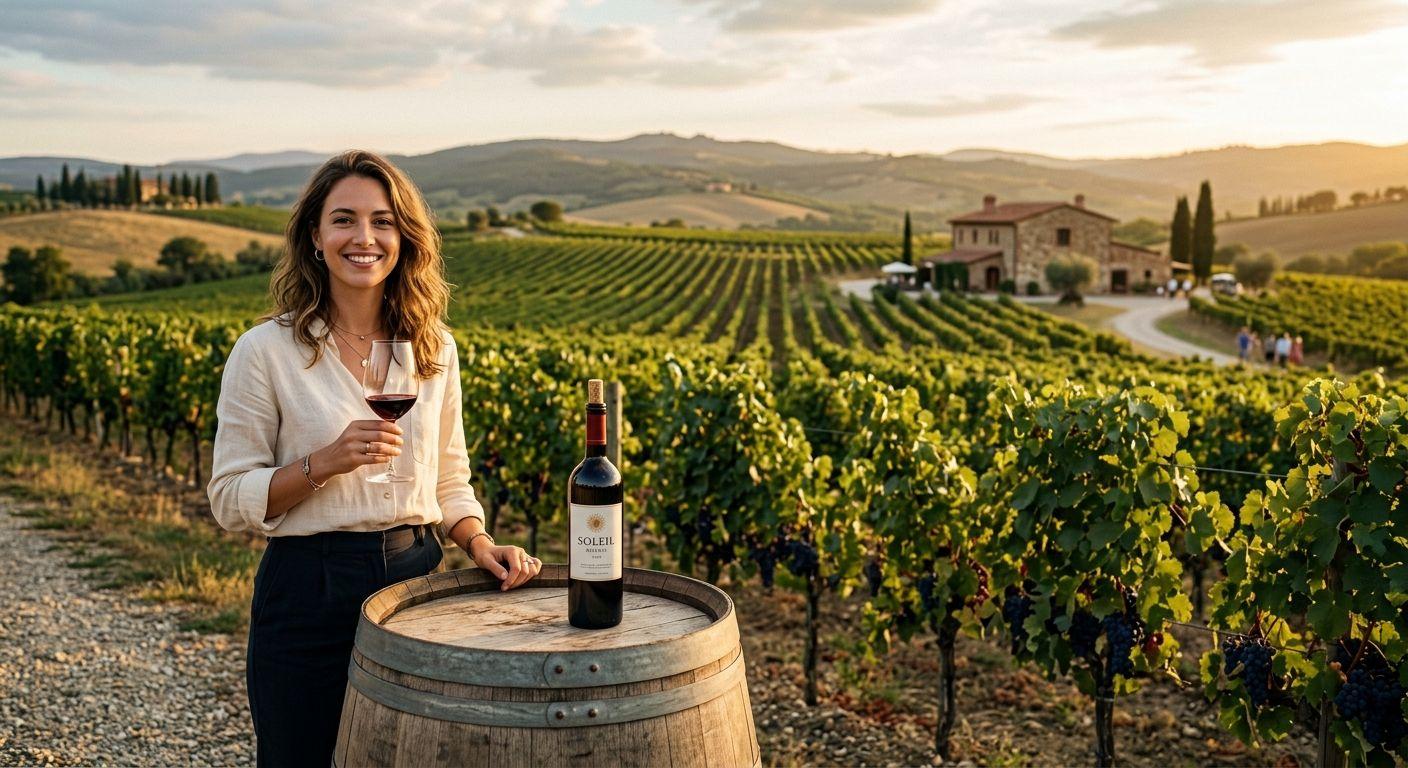
Most boutique winery accounts lean on the same two visuals: a sunset shot over the vineyard and a hero photo of the latest bottle. The content is beautiful and almost identical to every other small winery in the region. The property has plenty to say (terroir, harvest notes, the year's specific weather, pairing suggestions) but the winemaker does not want to be on camera, the cellar team is busy, and the tasting-room host is rotating. The brand becomes a landscape. A recurring AI character is a workable solution. It gives the property a tasting-room host who shows up every week to talk about what the team is actually doing, without forcing anyone in the cellar to step into a ring light.
Boutique wineries sell place and craft, both of which are easier to feel when a person is narrating them. But the people inside the property usually do not want to be the brand. Winemakers are often introverts and are uncomfortable with personal exposure, cellar staff cycle through harvest seasons, and tasting-room hosts may be students or part-timers. A recurring character represents "the house voice" rather than any specific staff member. She can introduce a new release, walk through a pairing, share a harvest dispatch ("we picked the cab three days early this year because of the heat"), and feature the visiting hours, with the winemaker writing the words off-camera.
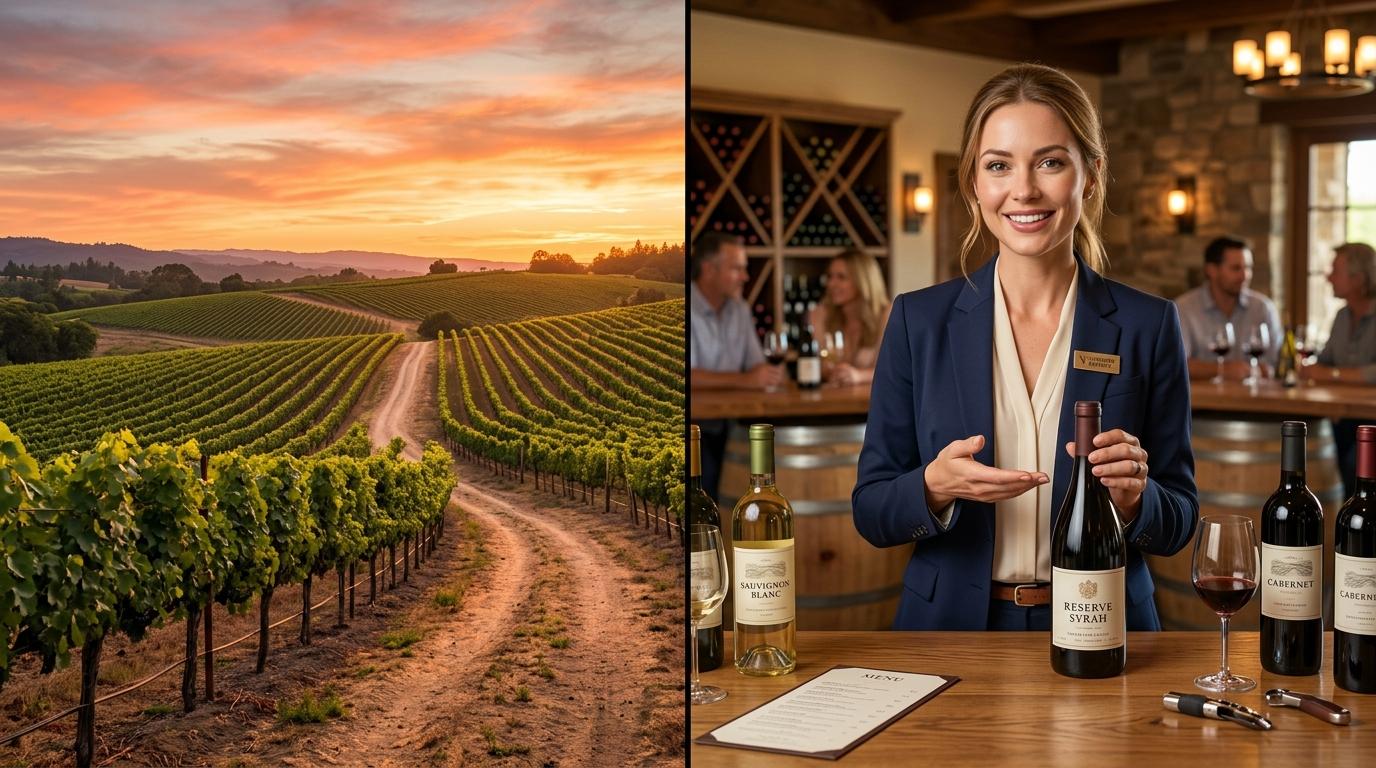
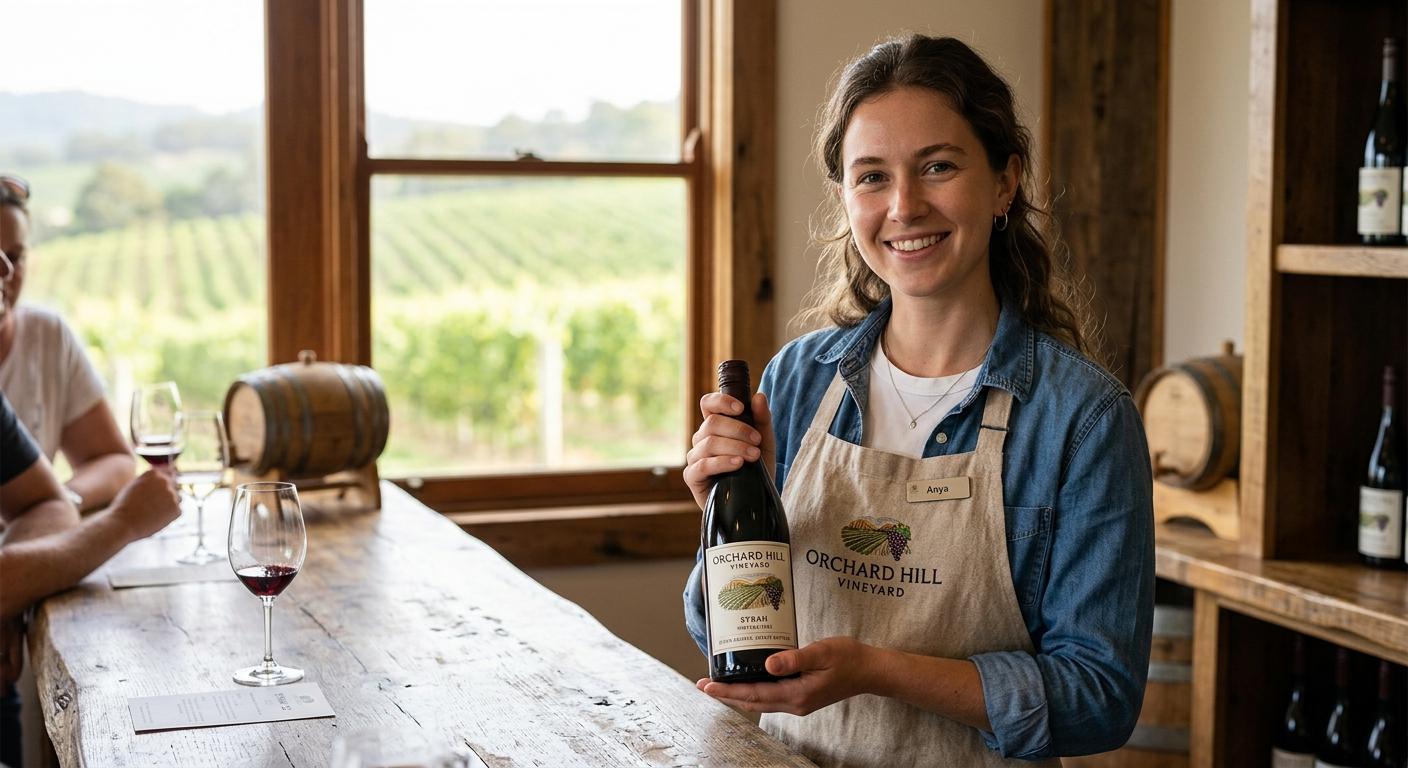
For this case, picture Anya, an early-thirties house sommelier in a denim shirt over a soft white tee, a linen apron tied at the waist, hair tied back, at a wooden tasting bar with vineyard light coming through a tall window. The signature is the denim shirt and the tasting bar. Anya's role is consistent: she greets a new bottle, walks through a tasting note in plain language, and points toward booking a tasting or ordering the wine through whatever channel the property uses. The wine itself comes from a real cellar; Anya carries the social channel so the cellar can focus on harvest. How recurring characters anchor product narratives is easy to see on the product examples page.
A typical month could include four new-release or library posts of Anya at the tasting bar with the real bottle and a real glass, a weekly food pairing (a labelled cheese, a specific recipe, a meal at the on-site kitchen), a monthly harvest dispatch when harvest is happening, and a quarterly long-form carousel about the year's growing conditions. Real bottle photography stays on the feed for ecommerce and label launches. Anya hosts; the bottle and the place are still the point. The visual mechanics of keeping the same sommelier consistent across all of that are on the Flying Bears Talent.AI landing page.
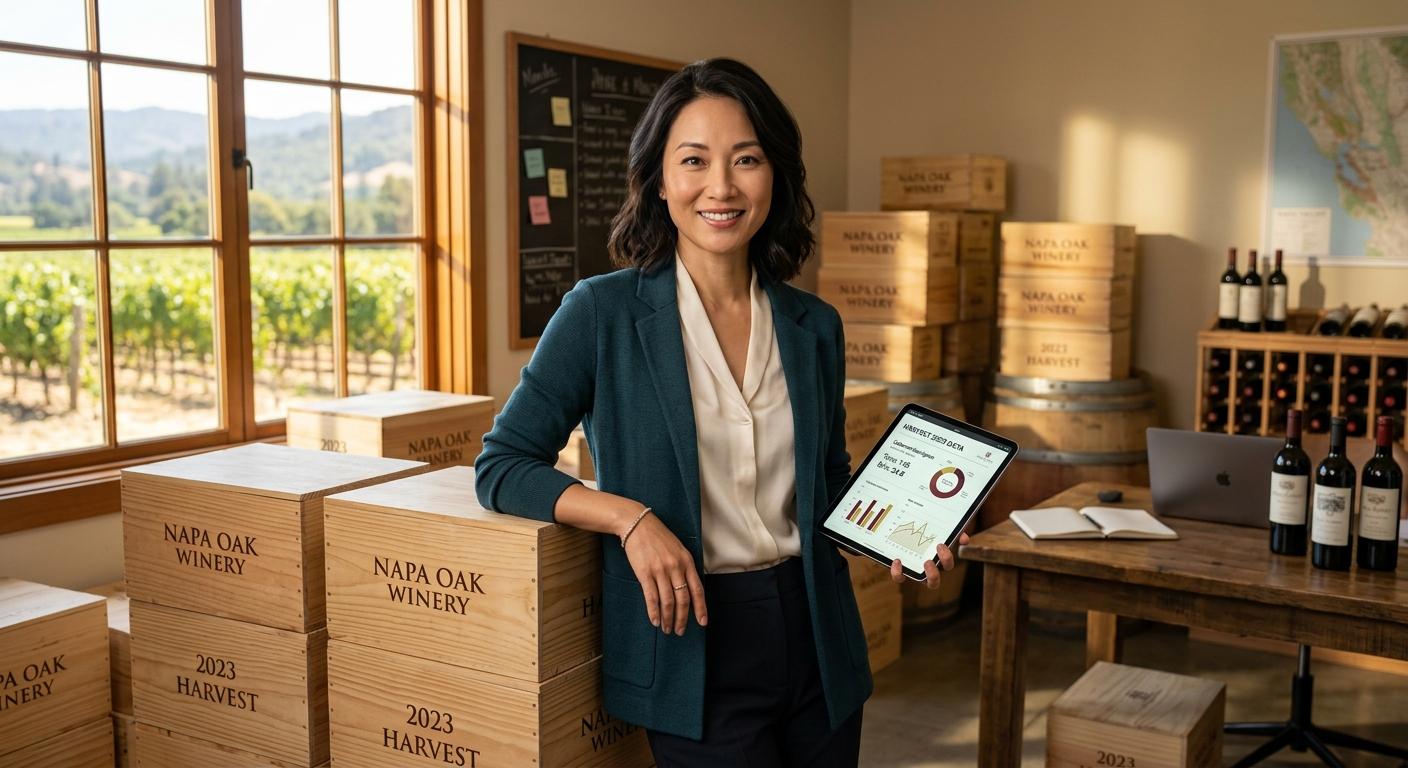
A few sensible limits apply, and most of them are about alcohol marketing rules. Anya must appear of legal drinking age across every market the property ships to (this varies by country, so default to a clearly mid-twenties or older character). The bio should disclose AI imagery, and posts should not target minors or be placed where minors are the primary audience. Health claims, "this wine pairs with weight loss" style nonsense, and any implied diagnostic benefit are off the table. Real bottle labels still need to be accurate; the AI image is the scene, not the product label.
The outcome is a feed that finally has a voice. Anya scales across release seasons, harvest moments, and tasting-room promos without anyone in the cellar having to plan a shoot day. When the property opens a new line (an orange wine, a pet-nat, a club-only release), Anya carries it. When the property hosts an event, she promotes it. Real winemaker appearances become special, not weekly. For wineries planning a serious release cadence plus a club newsletter, our monthly plans and credit packs line up credit allowances with that volume.