How A DTC Skincare Brand Can Use An AI Character On Social Media
FLB Studio
May 14, 20266 min read

The DTC skincare arc is familiar. The founder is the face for the first two years, the brand grows around her face specifically, and then she hits a wall: every reel is her, every ad is her, every customer expects her in every comment. She wants to run the company; she does not want to be a recurring on-camera personality forever. The moment she pulls back, the brand stalls. A recurring AI character is a way out. The character takes over the daily social load (routine breakdowns, ingredient explainers, before-and-after framings) so the founder can keep founding, without abandoning the audience she built.
The structural issue is that founder-led DTC brands tie identity to a single human and then cannot scale past that person without a brand event. Hiring an in-house creator usually means recreating the founder's energy with someone less invested, and the audience can tell. An AI character is a different model. The character represents "the brand's voice and aesthetic", not "the founder's personal feed". She lives in the brand's bathroom set, uses the brand's palette, and shows up at the same calm cadence the founder can no longer sustain. The founder still writes the captions when she wants to and still appears for the moments that need her (a launch, a behind-the-scenes lab day, a customer apology), but the daily rhythm is no longer dependent on whether she has time for another reel.
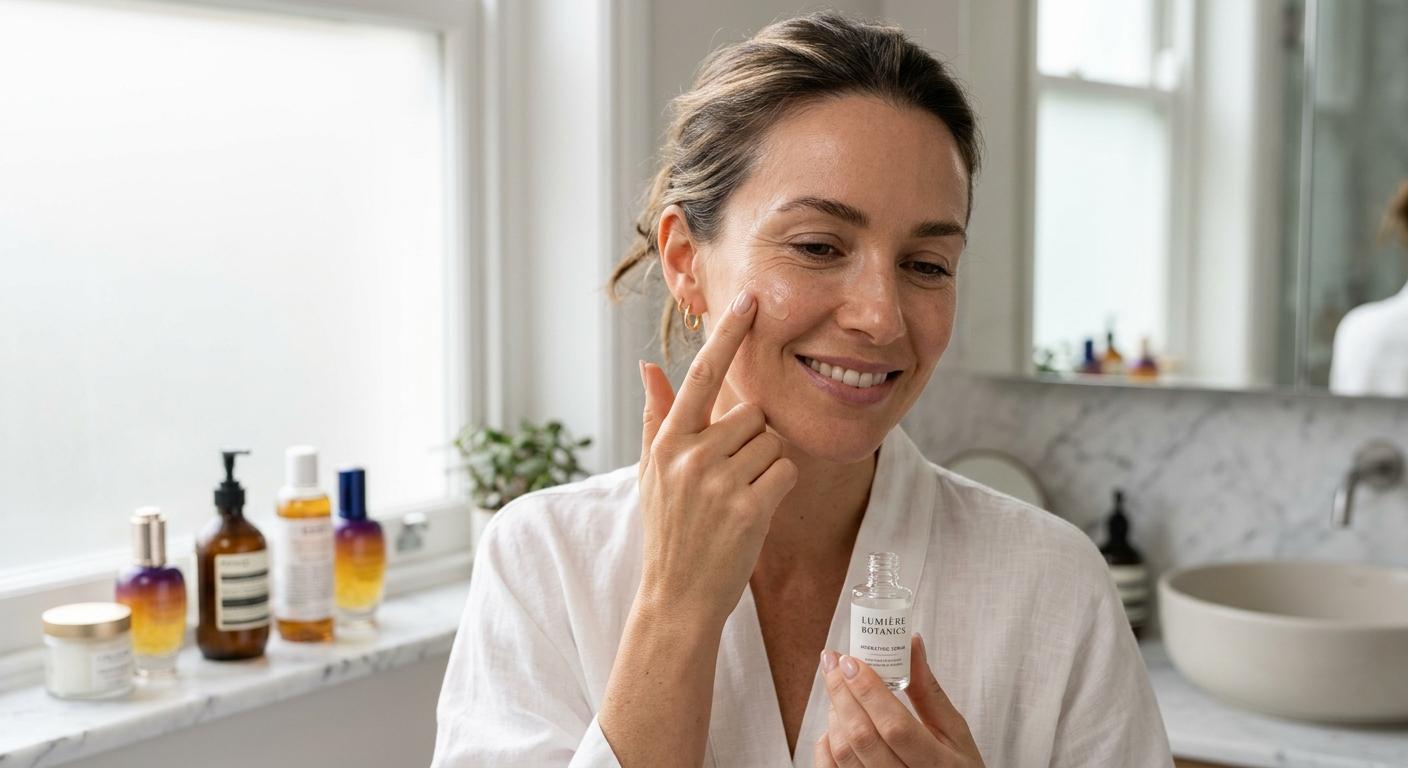
For this case, picture Jin, a late-twenties "skin coach" with bare skin texture (some pores, some imperfection, the opposite of glass-doll AI), soft hair, in a white cotton tank top in the brand's bright tiled bathroom with a wooden shelf of bottles and morning light through a window. The signature is the bathroom set and the bare-skin look. Jin's role is consistent: she introduces a product, walks through a three-step routine, breaks down a single ingredient, and shares a customer question in general terms. The product images on the feed remain the real bottles, with real labels. Jin is the host. Comparing how a character-led approach compares to creator hiring or stock photography is easier on our comparison page.
A typical week could include a Monday "Sunday-reset routine" post of Jin at the bathroom shelf, a Wednesday ingredient explainer (one molecule, one short carousel, no medical claims), and a Friday product spotlight with a real bottle in frame. Customer testimonials appear with the real customer's permission and image (not Jin). The founder appears every two to three weeks for a behind-the-scenes post, a launch reveal, or a personal note. This split keeps the founder's personal connection to the audience real while removing the daily content burden that was driving the burnout in the first place. The visual mechanics of keeping one character consistent across hundreds of posts (with believable skin) are on the Flying Bears Talent.AI landing page.

A few limits travel with this. Jin should never appear to give dermatological advice; she should describe textures, scents, and how a product feels. Ingredient explainers should cite real sources, and the brand should keep an internal claim-substantiation file as it would for any marketing content. The bio should disclose AI imagery and clearly state that Jin is the brand's voice (the founder is named with a link to her own creator account if she has one). Real photography stays in the rotation for unboxings, label launches, and any post that needs to verify what the product actually looks like in real light.
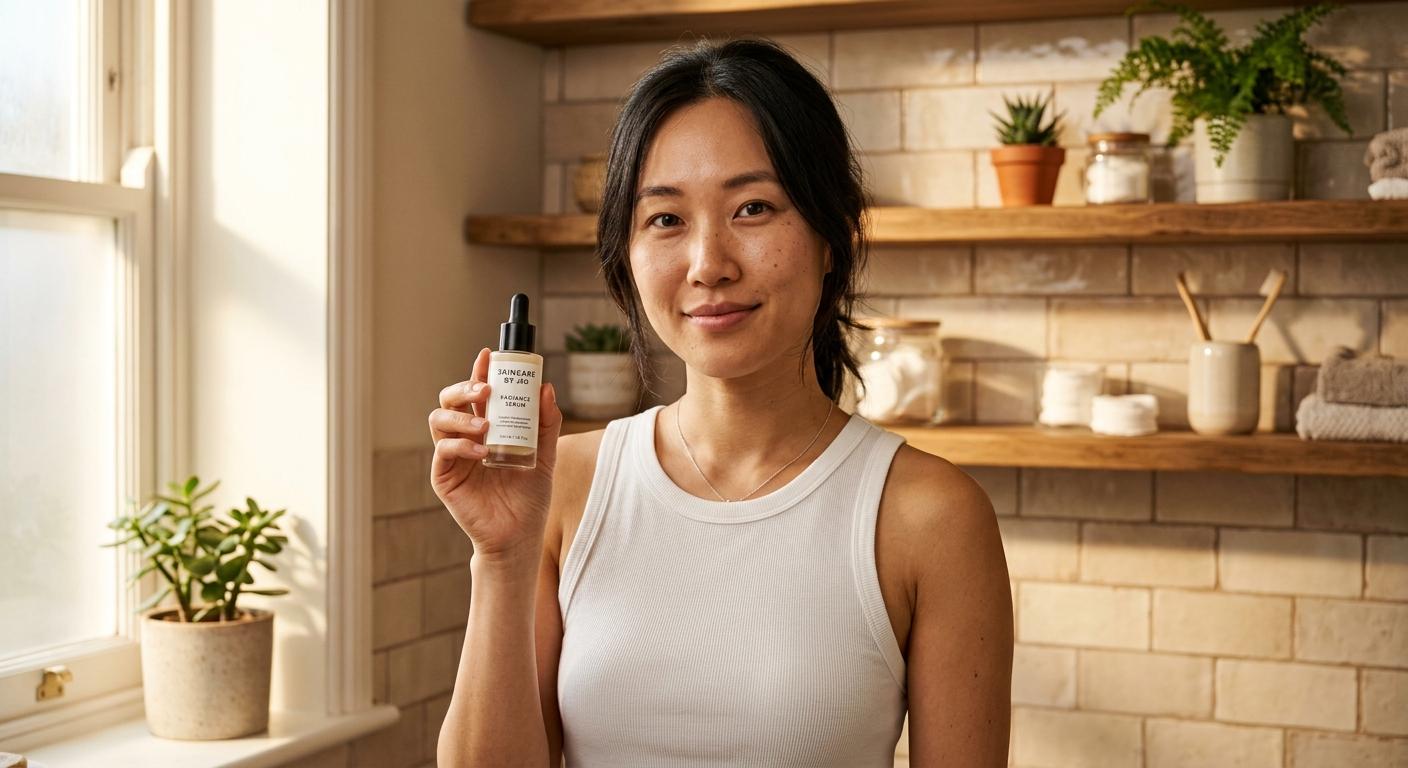
The outcome is a feed that keeps showing up at full cadence even when the founder is in the lab, on a plane, or simply having a quiet month. Jin scales across launches, education content, and customer-question posts without requiring the founder's calendar. The brand's social presence stops being a personal feed and becomes a brand feed, which makes it easier to hand off to a future creative hire, expand to a sister product line, or run paid campaigns at scale. Our monthly plans and credit packs line up credit allowances with the kind of three-to-five-post weekly cadence DTC brands need to keep growth on track.