How A Boutique Pilates Studio Can Use An AI Character On Social Media
FLB Studio
May 14, 20266 min read
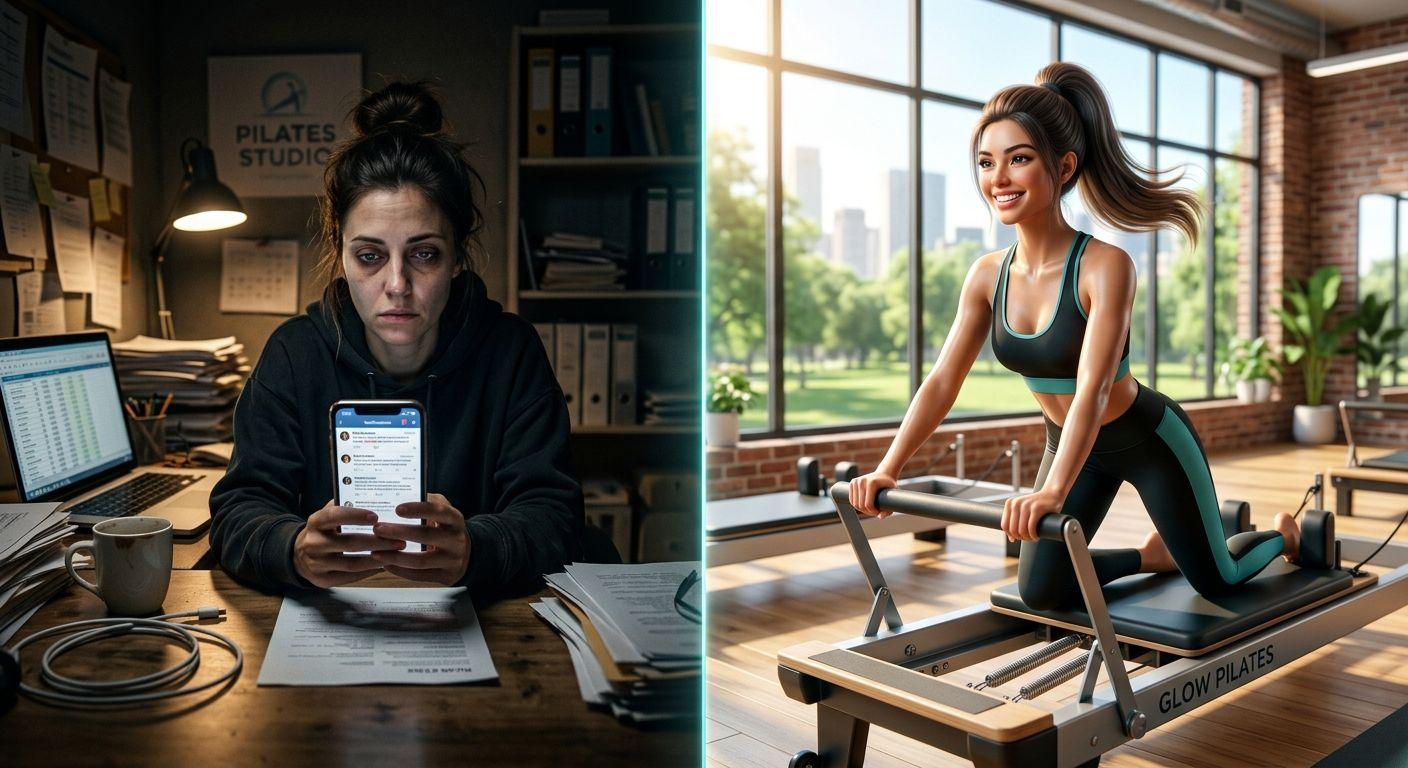
Most owner-operated boutique Pilates studios start the same way on social. The owner is the face for the first two years, posts every reel themselves, films before class and after class, and slowly burns out. Real instructors come and go, the brand quietly becomes one person, and the moment that person needs a week off, the feed goes dark. The studio is left with a hard choice: keep the owner on camera forever, or restart the brand around whoever the next senior instructor happens to be. A recurring AI character is a third path. It gives the studio a consistent face on social without anchoring the brand to a real human who has the right to step away.
The structural problem here is real. Pilates studios sell trust in the instructor's eye, the studio's calm, and the routine of showing up. Social content has to deliver that calm before the first class; it cannot wait until the trial booking. But filming any of that is operationally expensive for a small studio. The owner is on the floor adjusting clients, instructors are running back-to-back classes, and most of them did not sign up to be a recurring brand face. An AI character represents "the studio's voice" rather than "this teacher", which means the brand survives an instructor leaving, a maternity leave, or an owner finally taking a real holiday.
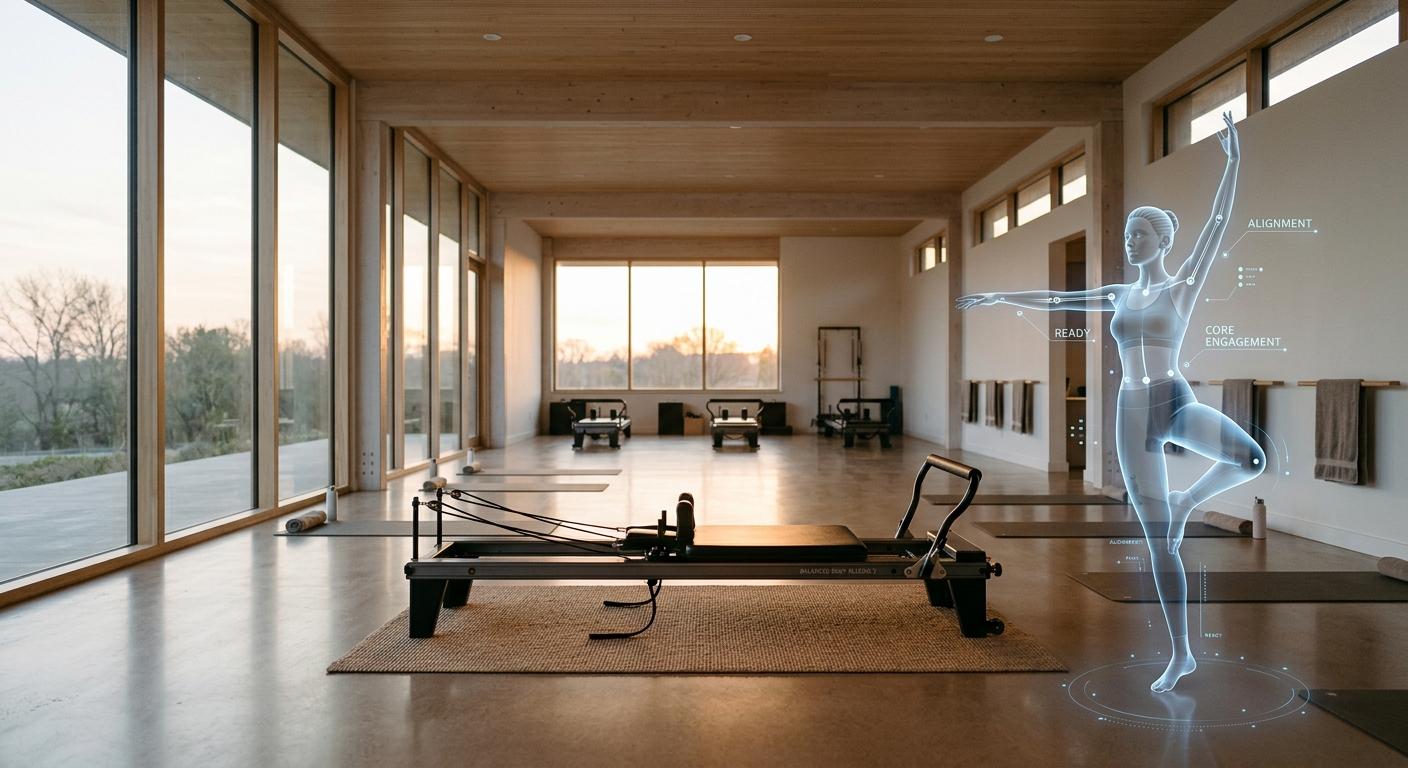
For this case, picture Eva, a late-thirties woman in a clean grey set, hair tied back, calm posture, standing in a bright reformer studio with soft morning light through tall windows and the studio's signature pale-oak floor. The signature is the grey palette and the studio itself. Eva introduces the class structure, demonstrates a single cue (no medical claims, no "fix your back" promises), and points readers toward booking. Real instructors continue to teach the actual classes. The point is to use Eva for the social channel so real teachers do not lose time after class filming the same teaser they have already filmed eight times this month. How a single character stays visually consistent across weeks of content is on the Flying Bears Talent.AI landing page.
A typical month could include four "Monday morning intention" posts of Eva at the studio window, a weekly cue breakdown (one position, one verbal cue, one short caption explaining the intent), a member-shoutout post where Eva introduces a real client (with permission and a real photo of the client), and a monthly studio update with hours, new class times, and intro-offer reminders. Eva carries the consistent visual; real clients and real instructors appear when it is meaningful for them to. This separation lets the social channel keep showing up at a calm cadence without anyone on the floor losing focus on the actual teaching.
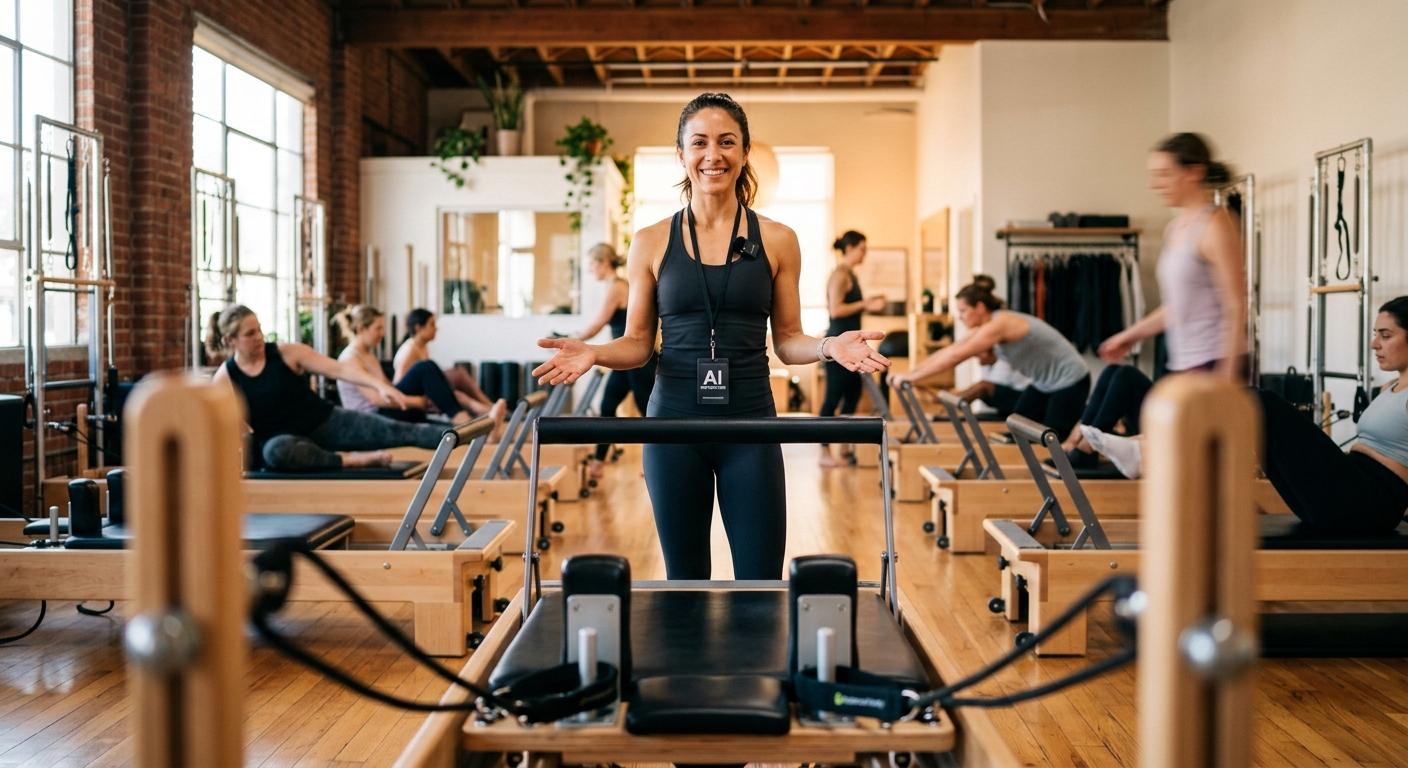
A few limits apply. The character should never give medical or rehabilitation guidance; cues are about movement quality, not diagnoses. Pricing and class-pass details should always come from a real source (the studio's booking page), not be implied by Eva. The bio should disclose AI imagery, and any real client who appears on the feed should consent in writing. None of this is unusual for a fitness studio that already has a release form and a safety waiver. It just extends the same care to the visual channel.
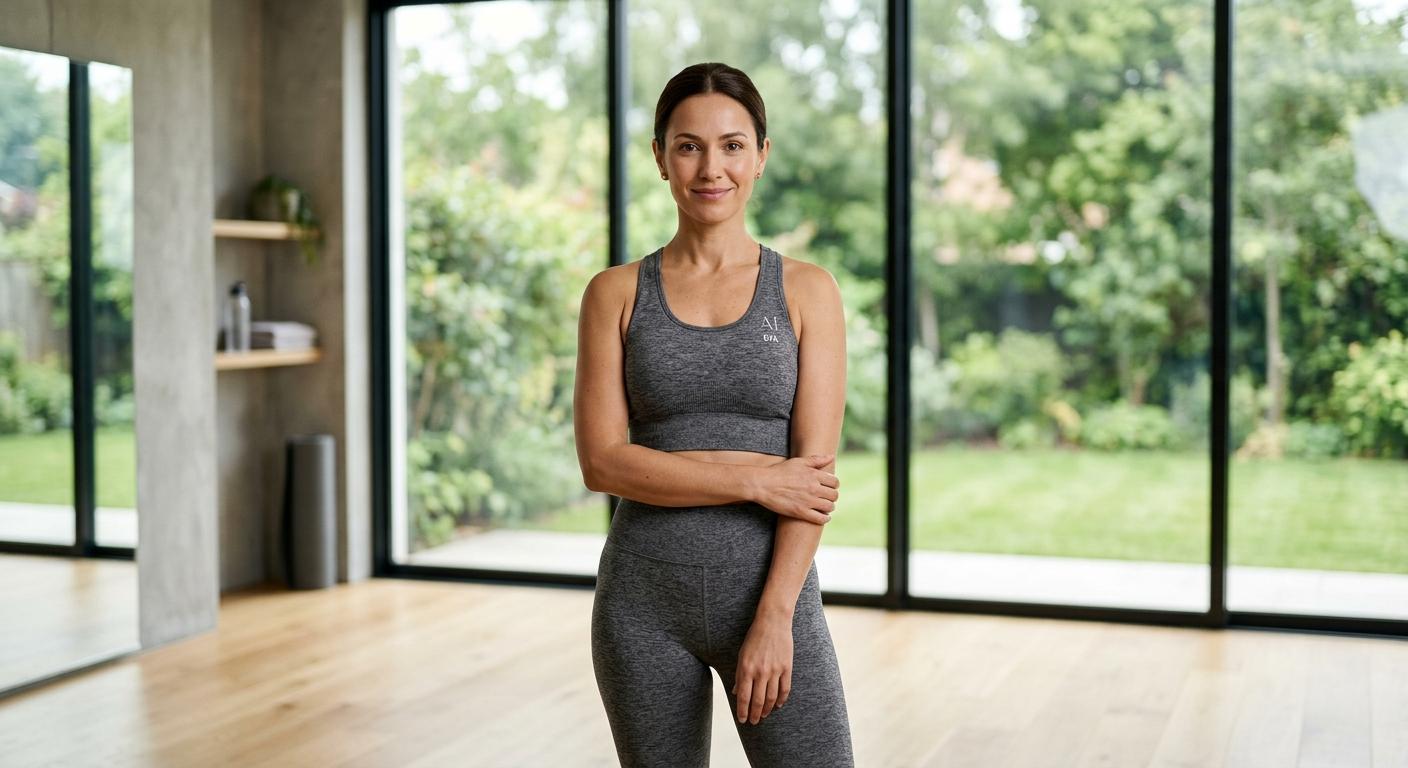
The outcome is a feed that keeps showing up even when the owner is on holiday, an instructor has moved on, or the studio is rebuilding after a slow month. Eva carries the brand voice; the real humans focus on running the real classes. If the studio expands to a second location or adds a class type, the same character moves over and the visual identity does not have to be rebuilt. For studios planning a serious posting cadence across one or two locations, our monthly plans and credit packs line up credit allowances with that volume.