How An Estate Planning Law Firm Can Use An AI Character On Social Media
FLB Studio
May 14, 20267 min read

Most small estate planning firms have a social presence that reads like a compliance memo. A few LinkedIn carousels about probate timelines, occasional photos of office anniversaries, no recurring face. The firm cannot easily put its attorneys on camera. Attorneys cost real billable hours, raise their own compliance reviews when they appear publicly, and may not want to be the firm's brand face. The result is a feed that looks impersonal even when the firm is the most personal kind of professional service there is. An AI character solves this by giving the firm a friendly, consistent face that anchors the content without naming or exposing any specific lawyer.
Estate planning is a personal, often emotional purchase. Prospective clients want to feel they will be guided by a calm human, not a logo. But the firm has structural reasons to keep individual attorneys out of the spotlight: junior associates churn, partners are busy, and any depiction of a specific lawyer can implicate state-bar advertising rules around specialisation claims and testimonials. A recurring AI character is a workable third option. The character represents "the firm's guide", not "this lawyer". She wears the firm's quiet aesthetic, lives in a recognisable office set, and shows up every week to explain wills, trusts, healthcare directives, and probate basics in a tone the firm has approved once.
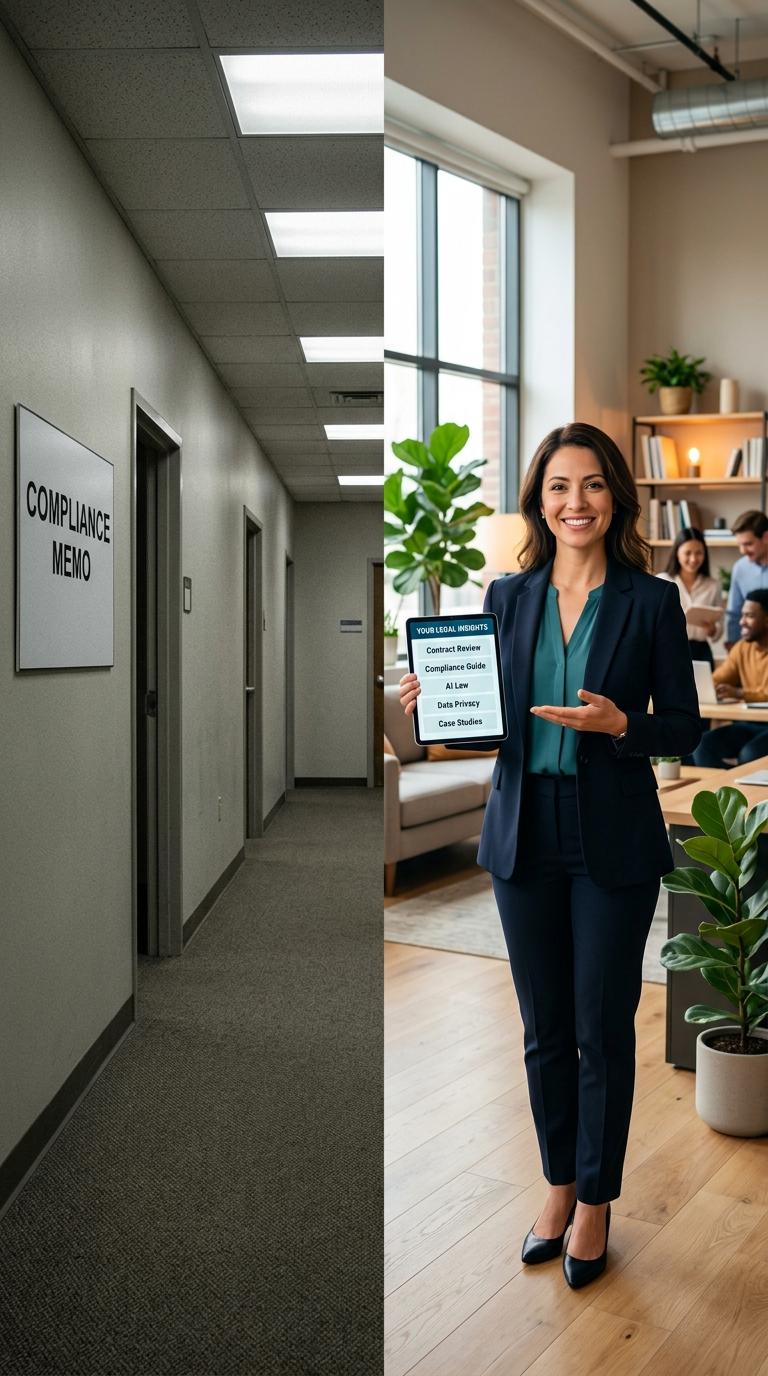
For this case, picture Helena, a mid-forties woman in a soft charcoal blazer over a cream blouse, glasses pushed up on her hair, in a wood-shelved office with warm afternoon light and a single small plant on the desk. The signature is the blazer and the office, both reassuring without being intimidating. Helena's role is consistent: she introduces topics, asks the question the client is afraid to ask, and points readers toward booking a consultation. The legal substance comes from a partner-reviewed brief; Helena delivers it. Browsing how other brands pair recurring characters with their work on the product examples page is a useful reference for what this looks like once the feed is established.
A typical week could include a LinkedIn carousel of Helena explaining the difference between a will and a revocable trust, an Instagram reel of her walking through "five questions to ask before naming a guardian", and a short post about a probate timeline with a one-tap caption to a booking link. Every post uses the same office set and the same blazer palette (charcoal in winter, navy in summer), and the same calm framing. Helena never claims credentials; she presents the topic and credits the firm. That structural choice keeps the content within state-bar advertising guidance while still feeling personable. The Flying Bears Talent.AI landing page shows the underlying mechanics of how a single character stays visually consistent across hundreds of generations.
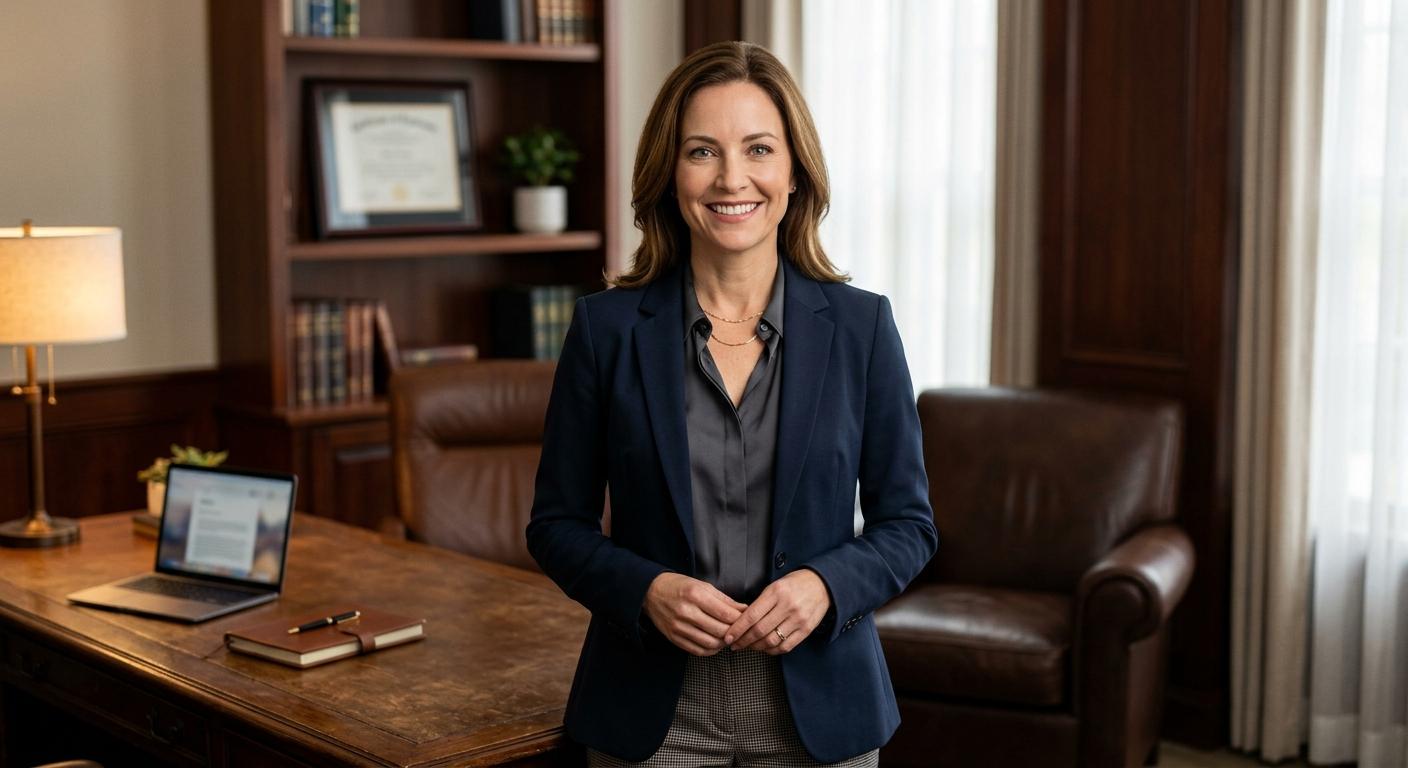
A few rules travel with this workflow. The character should never appear to give specific legal advice; she should describe categories and point to consultation. The bio and at least one post per month should disclose that the imagery is AI-generated, because the FTC and most state bars are increasingly explicit about disclosure on synthetic media. The firm should keep a written content-approval log so any later challenge can show a real attorney reviewed each post. None of this is unusual; it is what professional services already do for blog posts and newsletters. Helena just makes the channel visible.

The outcome is a feed that reads like a real firm with a recognisable host, not a logo on a stock photo. Helena scales with the firm: she can host estate-planning webinars in still graphics, headline a probate FAQ series, and carry seasonal content like January tax-year posts without anyone in the firm losing a billable hour. When the firm expands into newsletter or paid social, the same character moves over with no re-shoots. Our monthly plans and credit packs line up credit allowances with that kind of recurring weekly cadence.