How An Independent Insurance Agency Can Use An AI Character On Social Media
FLB Studio
May 14, 20266 min read

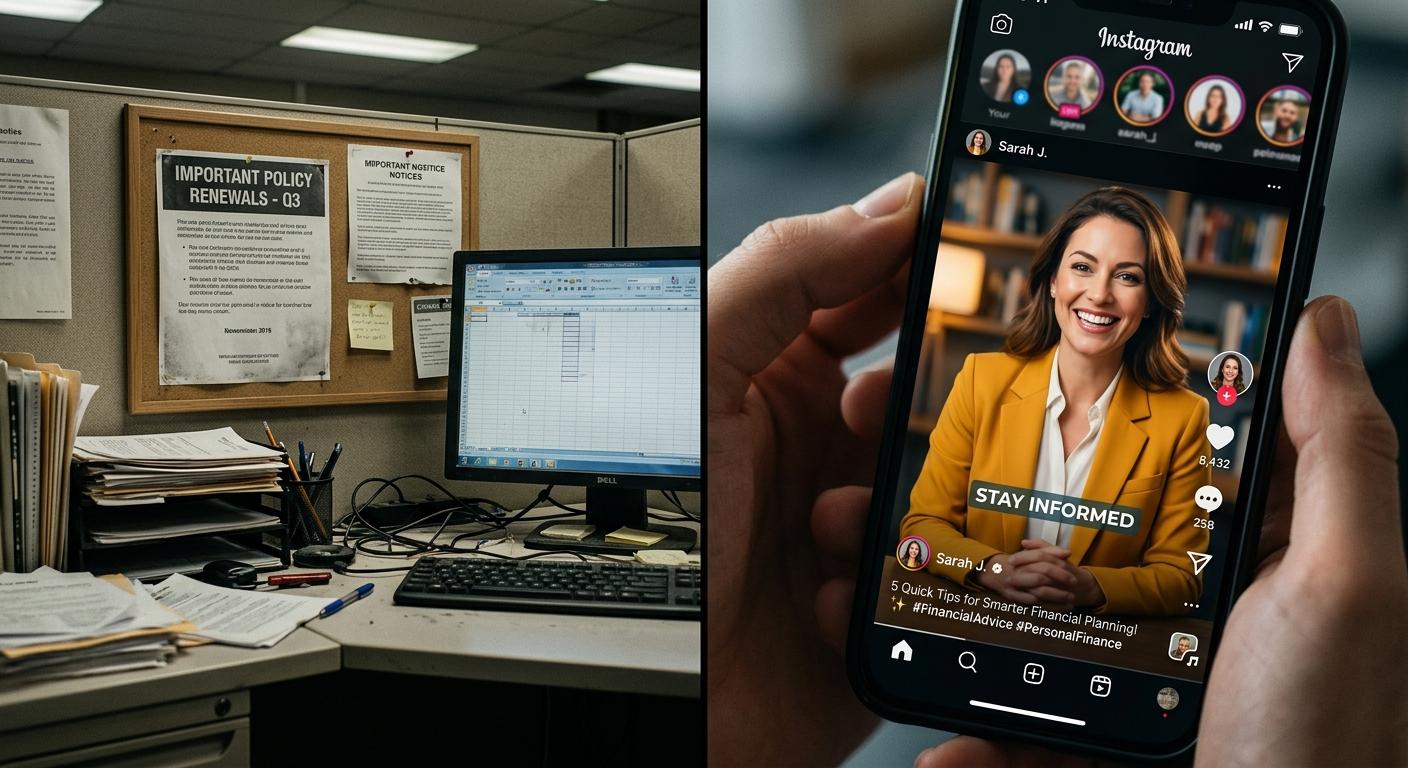
Most independent insurance agencies post some version of the same content: a stiff explanation of a policy type, a renewal reminder, a quote-day photo of the office, and a national-awareness-month graphic. The information is correct and almost nobody reads it. The agency knows the content is impersonal, but the alternative (putting individual licensed agents on camera) is operationally tricky. Agents are licensed in specific states and lines, content tied to a specific agent has to be re-shot when that agent moves, and most agents did not sign up to be a recurring brand face. A recurring AI character is a workable middle path. The character carries the social channel without centralising the brand on any one licensed individual.
Insurance is sold to people, by people, but bought from an agency. The brand has to feel personal enough to be trusted on a major purchase, without depending on any single agent for that personality. State insurance regulators care about who is making a claim and what licensing they hold; a character that represents "the agency's voice" rather than a specific agent is structurally easier to keep within those guardrails. The character can introduce policy categories, explain when an umbrella matters, walk through what to do after an accident, and run renewal reminders in a tone the agency principal has approved once, instead of being re-recorded by whichever agent happens to be free that week.
For this case, picture Russell, a friendly late-thirties man in a soft chambray button-down without a tie, sleeves cuffed, at a relaxed home-office desk with a laptop, a coffee cup, and a single notebook. The signature is the chambray shirt and the warm office. Russell's role is consistent: he introduces a coverage type, asks the question a client is afraid to ask ("what does my homeowners policy actually not cover?"), and points readers toward a real licensed agent for the actual conversation. The substantive licensing-bound work happens off-camera, with humans. Russell hosts the channel. How recurring characters work alongside other approaches is on our comparison page.
A typical month could include four "what's not covered" posts of Russell explaining a common gap (flood under homeowners, rideshare under personal auto, business equipment under renters), a weekly seasonal post (hurricane season, holiday liability, year-end review), and a monthly "ask Russell" Q&A reel where real client questions (submitted via DM, with permission) are answered in general terms with a soft call to book a real conversation. Real agents handle the conversion call. Russell carries the awareness and trust layer that the agency was previously failing to build at all. The visual mechanics of keeping one character consistent across this volume of posts are on the Flying Bears Talent.AI landing page.
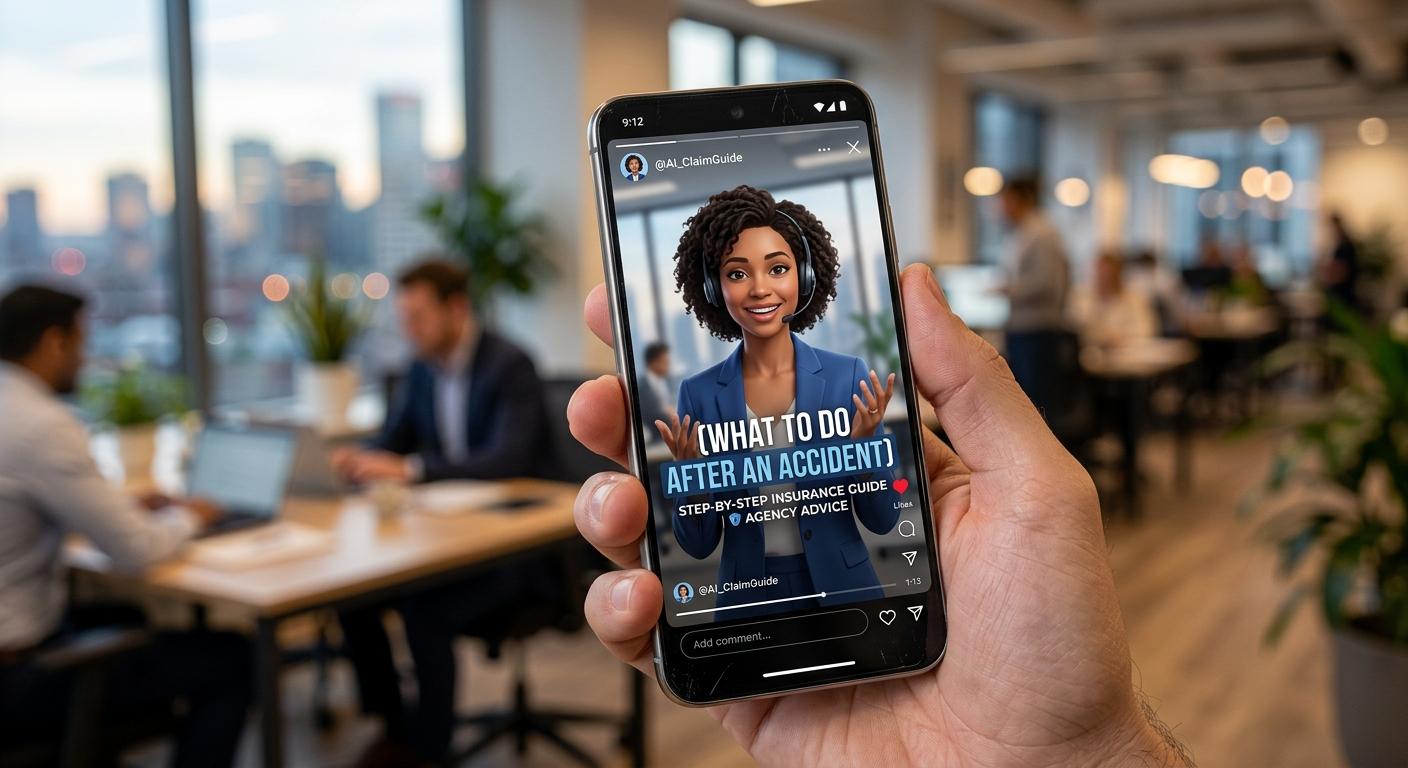
A few limits travel with this. Russell must not be presented as a real licensed agent; the bio should state clearly that he is the agency's brand voice and that real, licensed humans handle every quote and bind. State advertising rules vary, so the agency's compliance officer should approve the standing content template once and review any post that names a coverage type, a percentage, or a specific carrier. The bio should disclose AI imagery directly. None of this is novel for an agency that already runs a newsletter; the character just adds a visual surface to existing content.

The outcome is a feed that finally feels human, even though no individual agent is the brand. Russell scales across the agency's lines (personal, commercial, life) and across seasonal moments without the agency having to coordinate filming with whichever agent has bandwidth. When the agency adds a new product line or acquires a small book of business, the same character moves into the new content without re-shoots. Our monthly plans and credit packs line up credit allowances with the steady, multi-line cadence that insurance content benefits from.