How An Indie B2B SaaS Can Use An AI Character On LinkedIn
FLB Studio
May 14, 20266 min read
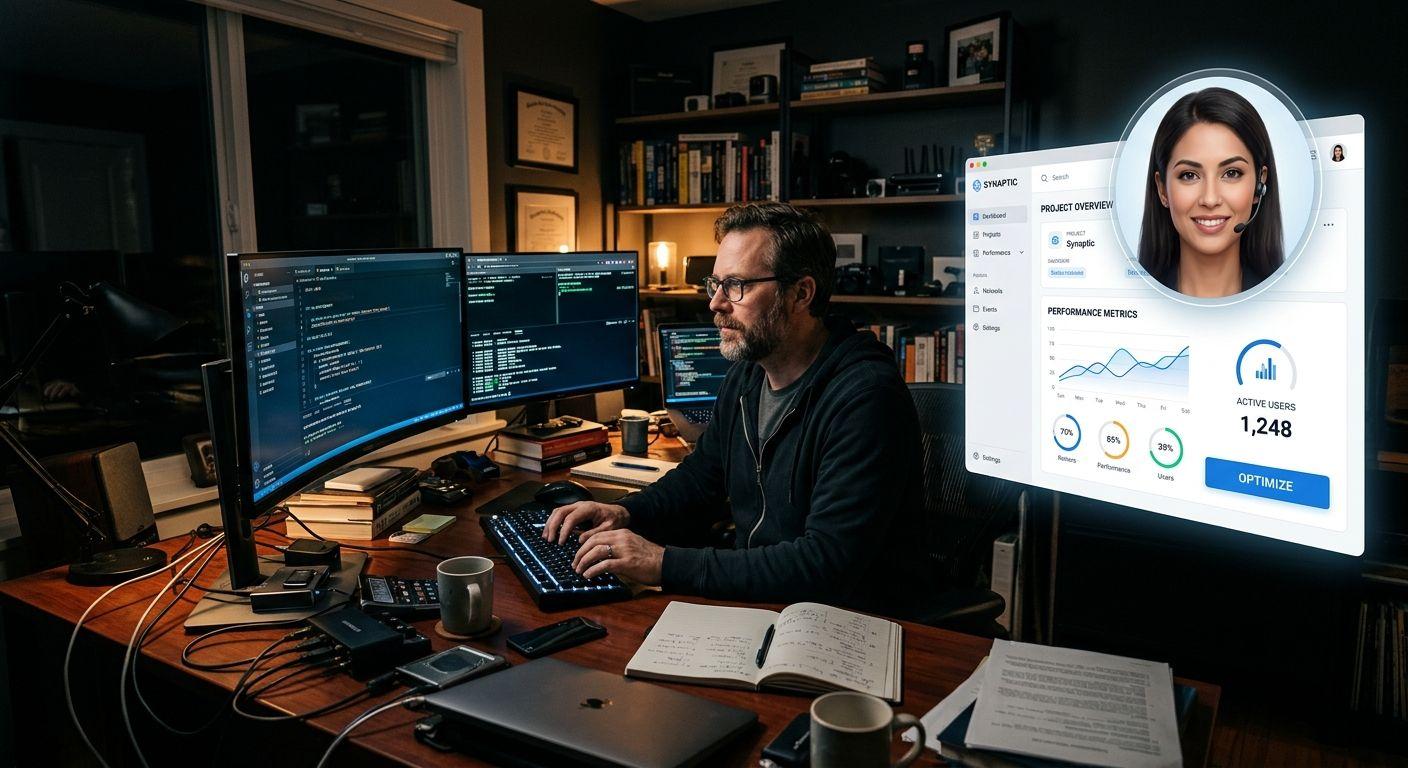
Most indie B2B SaaS founders are camera-shy. They are happy to write, happy to ship product, happy to do customer calls, and quietly miserable about the idea of recording a face-to-camera LinkedIn video. So the founder posts text-only carousels, the brand never gets a face, and the team waits two years to "hire a content person" that the company cannot really afford yet. Meanwhile every competitor with a louder personality is winning the algorithm. A recurring AI character is a workable middle path. The founder keeps writing, keeps thinking, keeps reviewing every word; the AI character carries the visual side that the founder never wanted to do anyway.
The asymmetry here matters. B2B SaaS does not need a CEO-influencer. It needs a believable, consistent product voice that shows up enough to be remembered. The market rewards distribution; founders avoid distribution because video feels exposing. A character lives in the middle. The character represents "the product's voice", not the founder. She can fronts feature walkthroughs, do "three things changed in v4.2" carousels, and headline customer-story posts (with real customer quotes) without forcing the founder onto camera. The founder still writes every word. The character delivers them in a frame that finally lets the brand compete with feed-native visuals.
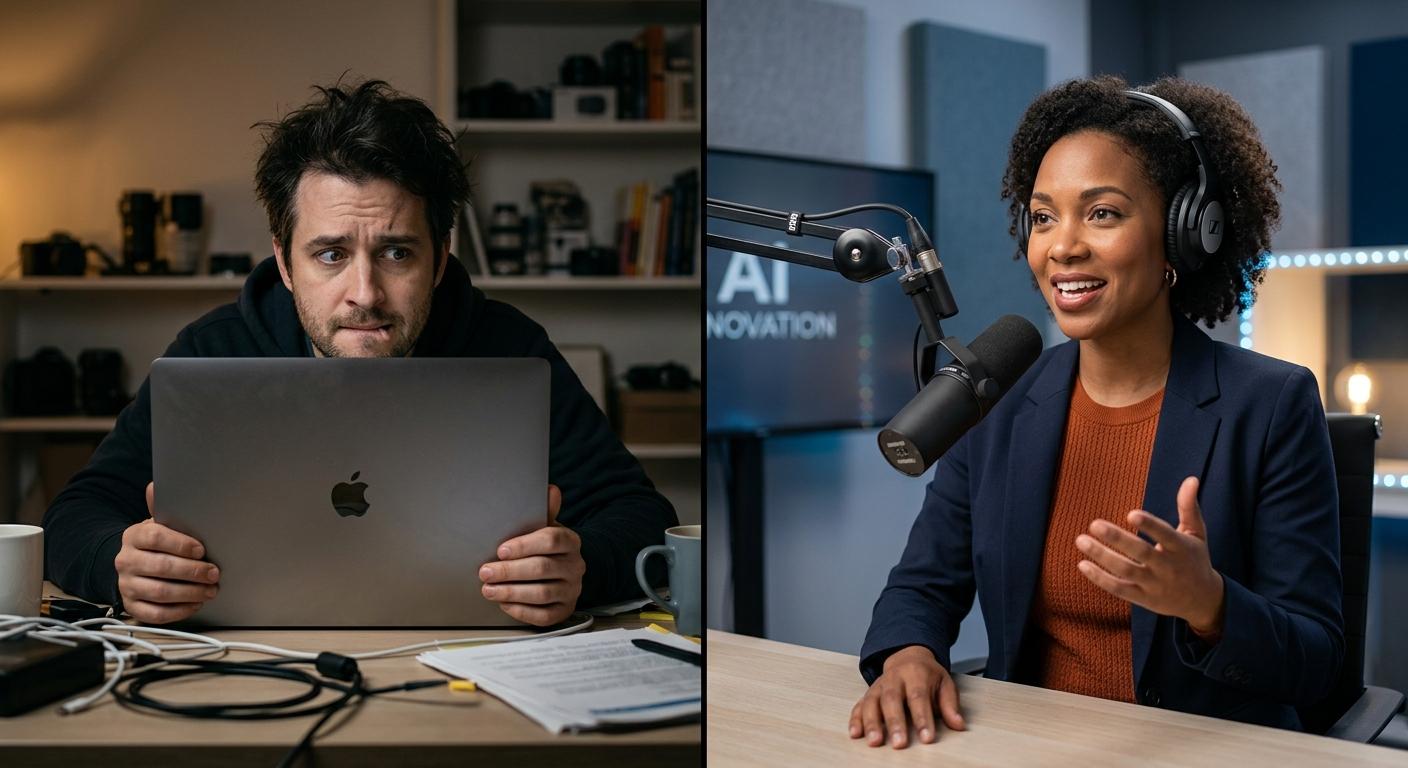
For this case, picture Jordan, a sharp late-twenties product strategist in a black mock-neck, minimal glasses, hair pulled back, at a clean modern desk with one large monitor, an open notebook, and soft cool light. The signature is the black mock-neck and the clean desk. Jordan's role is consistent: walks through a feature, explains a customer-driven decision, breaks down a tradeoff the team made. She never claims authorship; the founder is named in the bio. Comparing how recurring characters carry product narratives versus competing approaches is easier on our comparison page.
A typical week could include a Tuesday LinkedIn carousel of Jordan walking through a new feature (six slides, screenshots in the body, Jordan as the consistent cover), a Thursday short post of Jordan headlining a customer quote, and a Friday "what changed this week" recap with a single Jordan thumbnail. The text remains the founder's voice. Jordan provides the visual continuity that LinkedIn's video and carousel formats now reward. The founder can finally start a YouTube channel or post a Loom-style walkthrough where Jordan introduces the recording and the founder speaks over the screen share, half-on, half-off. The visual mechanics of keeping a single character consistent across hundreds of posts are on the Flying Bears Talent.AI landing page.

A few limits travel with this approach. The character should not be presented as a real employee; the bio should be clear that "Jordan is our brand voice, written by [founder name]". Customer quotes need to be real and attributed. Product claims need to be reviewed before posting, exactly as they would be in a press release. None of this is restrictive in practice; B2B SaaS already has these review cycles for landing pages. The character just adds a visual surface to the content already being produced.

The outcome is a LinkedIn presence that finally looks like a real product company instead of a founder typing into a void. Jordan scales: she anchors feature posts, headlines case-study carousels, and hosts the company's first conference recap without anyone in the team having to learn lighting. When the company hires its first content marketer, the character is already established and the new hire inherits a working visual system. Our monthly plans and credit packs line up credit allowances with the kind of two-to-three-post weekly cadence that compounds on LinkedIn.