Localised Brand Content For Multi-Market Businesses With An AI Character
FLB Studio
May 15, 20266 min read
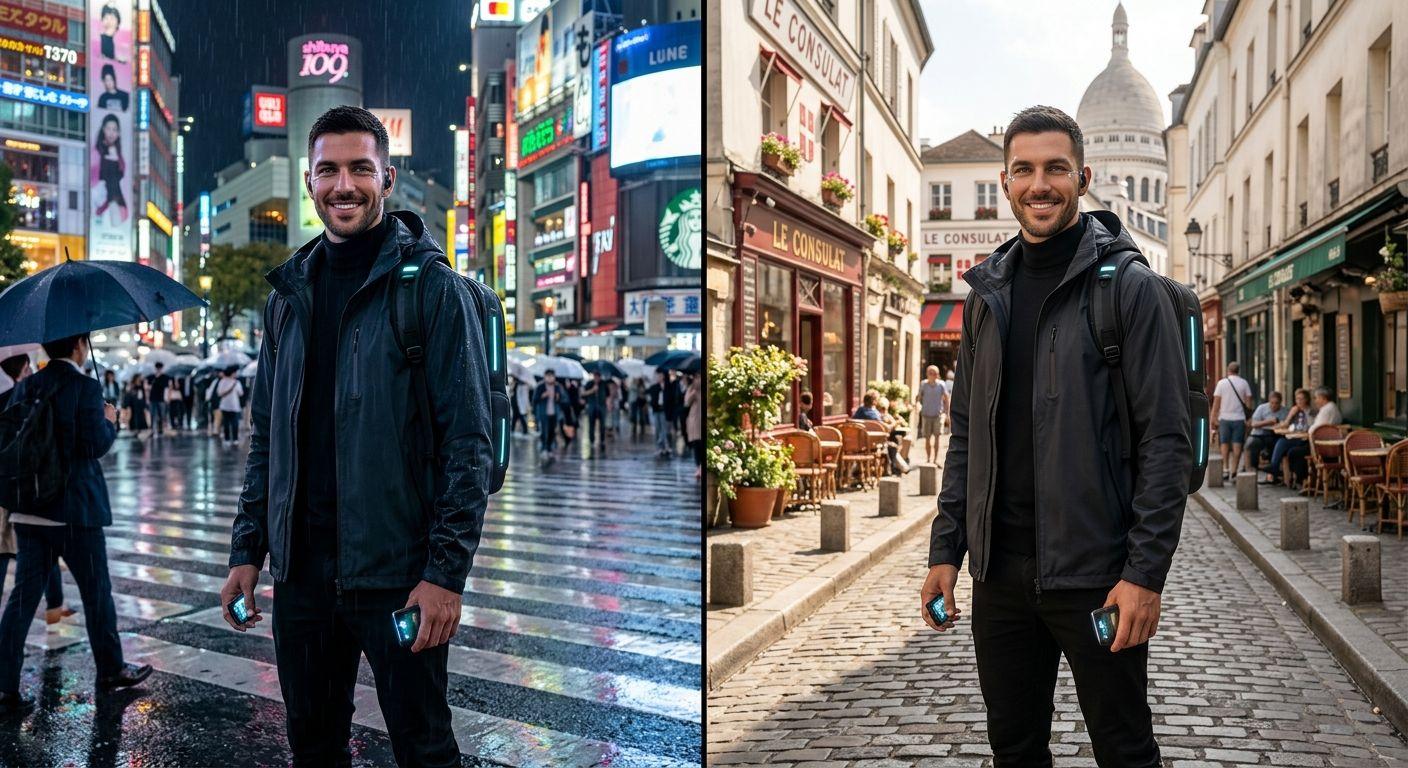
Brands operating across multiple markets have a content-localisation problem that gets harder as the markets diverge. The same campaign that works in Tokyo lands oddly in Paris when it is just translated; what the audience in each city actually wants to see is content that feels native to their street. The traditional fix is to commission a crew in each market and shoot regional variants, which is expensive enough that most brands skip it and post the same campaign with translated captions. A recurring AI character backdropped in each market's real streets via location grounding is a workable third path. The character stays the same across regions (one brand voice), the streets and storefronts behind them change (locally native context), and the production cost is one weekly batch session rather than three shoots.
Location grounding pulls real-world reference imagery for any city, district, or neighbourhood the team describes and conditions the generation on those references. For a multi-market brand, this means the same recurring host can stand on a real Tokyo backstreet on Monday, a real Parisian arrondissement on Wednesday, and a real Brooklyn block on Friday, with each scene reading as that specific city rather than a stylised idea of it. The character's wardrobe (locked once) carries brand identity; the city's grounding carries local context. The audience in each market sees a feed that feels like it belongs to their city without losing the global brand continuity.

The honest framing is that the character represents "the brand's voice" in each market, not "a local resident". This is the same boundary that applies to any AI character account, and it matters more in multi-market work because cultural specificity is the entire point. The bio in each market should disclose AI imagery and frame the character as the brand's host. Captions should be written by local copywriters or translators who understand the market, not machine-translated from a template; the visual is what scales, the words still need to be local. Local idioms, references, and seasonality belong in the captions because that is where market-native context actually lives.
A typical week for a brand running three markets might include a Monday post in market A (character in a real local cafe, real local product placement), a Wednesday post in market B (character on a real local street with the brand's local pop-up signage in frame), a Friday post in market C (character at a real local landmark with a market-specific seasonal call-to-action), plus a global "campaign cover" post that runs across all three markets with the same character in a neutral setting. The same character on the same brand across three city contexts. How character-led content compares to commissioning real local creators is on our comparison page.
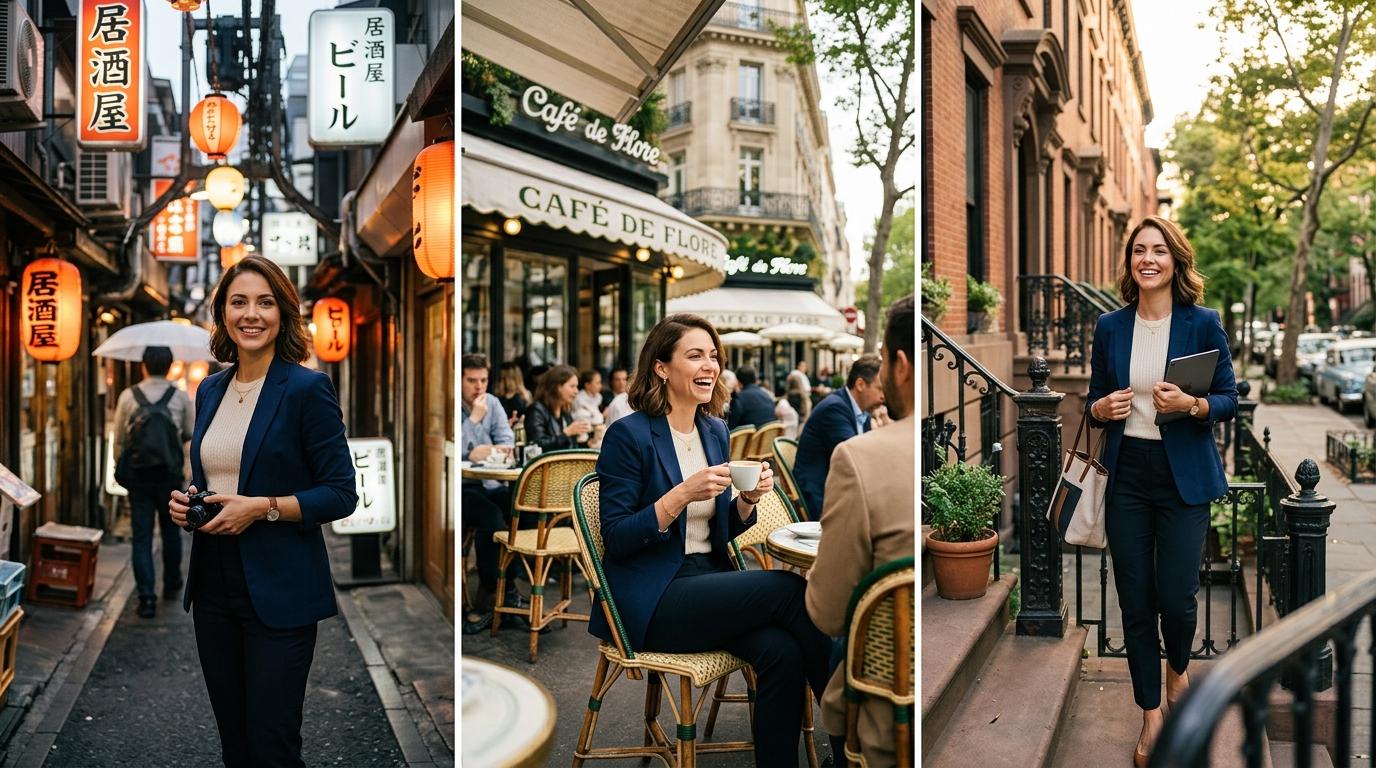
The limits worth flagging are mostly cultural. Cities are not interchangeable backgrounds; each one has signifiers a local audience reads instantly and a non-local team can get wrong. Work with local consultants or partners who can flag if a "Paris street scene" is actually using cues from a different arrondissement, or if a Tokyo grounding has accidentally pulled imagery from a different city. AI-generated content depicting recognisable cultural symbols or religious sites should be handled with the same care a real creative team would use. And the disclosure rules across platforms (Meta auto-flagging, TikTok labelling, YouTube creator disclosure) apply identically in every market the brand serves. Character-led patterns built on these grounded primitives are easy to browse on our product examples page.
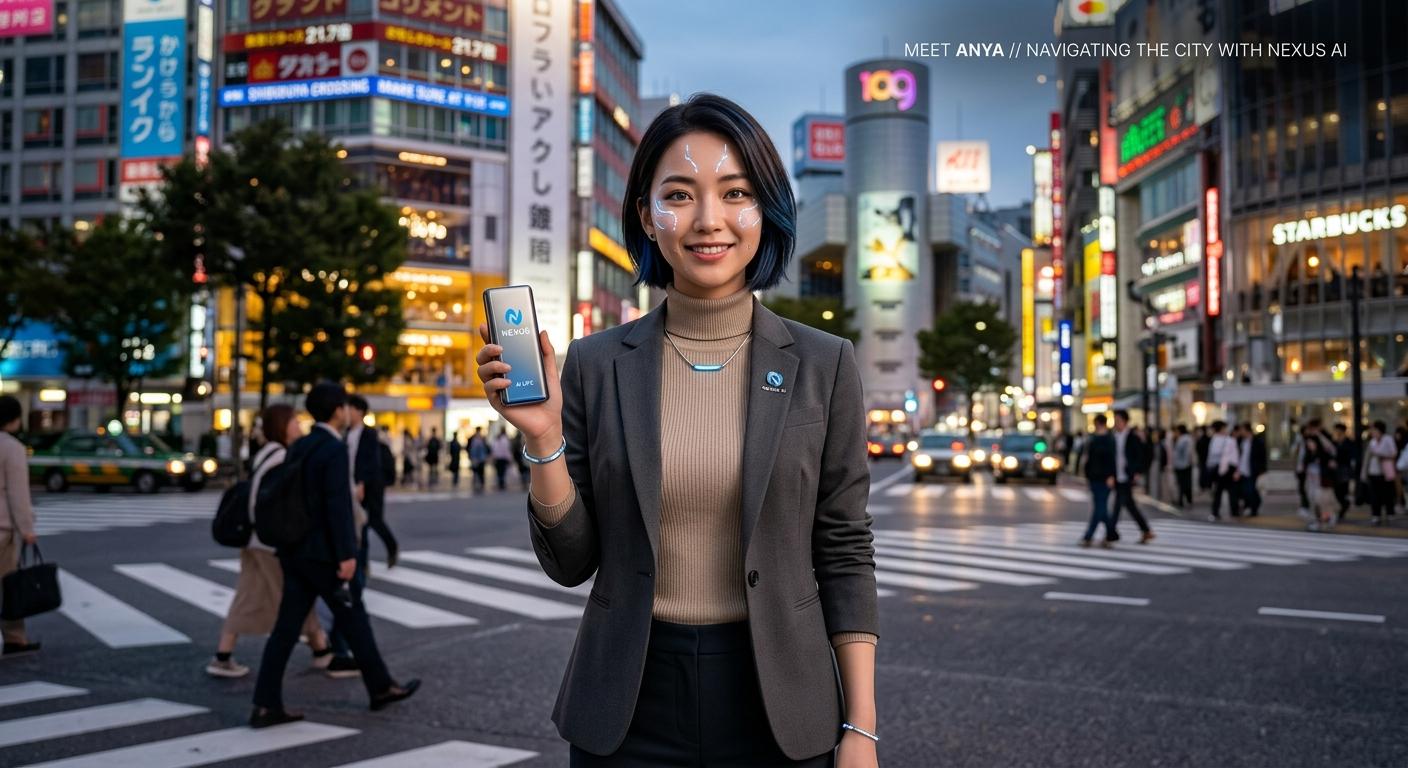
The outcome is multi-market content that finally feels regionally native without requiring three production teams. One brand, one character, three (or thirty) cities behind them, each grounded in real local reference imagery. Local creative reviewers still review; local copywriters still write; what changes is the production cost of getting brand-coherent visuals into every market at the cadence the algorithms reward. For brands planning a sustained multi-market posting cadence with weekly fresh content in each market, our monthly plans and credit packs line up credit allowances with that volume.