One AI Character, Every Continent: Travel Content With Location Grounding
FLB Studio
May 15, 20267 min read

Travel creators have always had the same constraint: the budget is the trip. Real flights, real hotels, real shoots, real time. The accounts that scale are the ones that find a way to produce content faster than the trip can be afforded. A recurring AI character paired with location grounding is now one of those ways. The character stays the same; the landmark behind them changes. Done honestly, this lets a single creator run a serious travel-themed feed without depending on airfare. Done dishonestly, it crosses lines that get accounts removed. This piece is about how to do it in a way that builds rather than burns trust.
Location grounding in Flying Bears Talent works by pulling real-world reference imagery for a place you describe (a named landmark, a neighbourhood, a coordinate) and conditioning the generation on those references. The result is that the character appears in a recognisable place rather than a generic stand-in. For a travel feed, this is the entire game: the audience needs to feel they are seeing the actual Acropolis, the actual Kyoto laneway, the actual Reykjavik street, not a stylised dream of those places. The grounding step handles that. The character you have already locked carries the visual identity across every location.
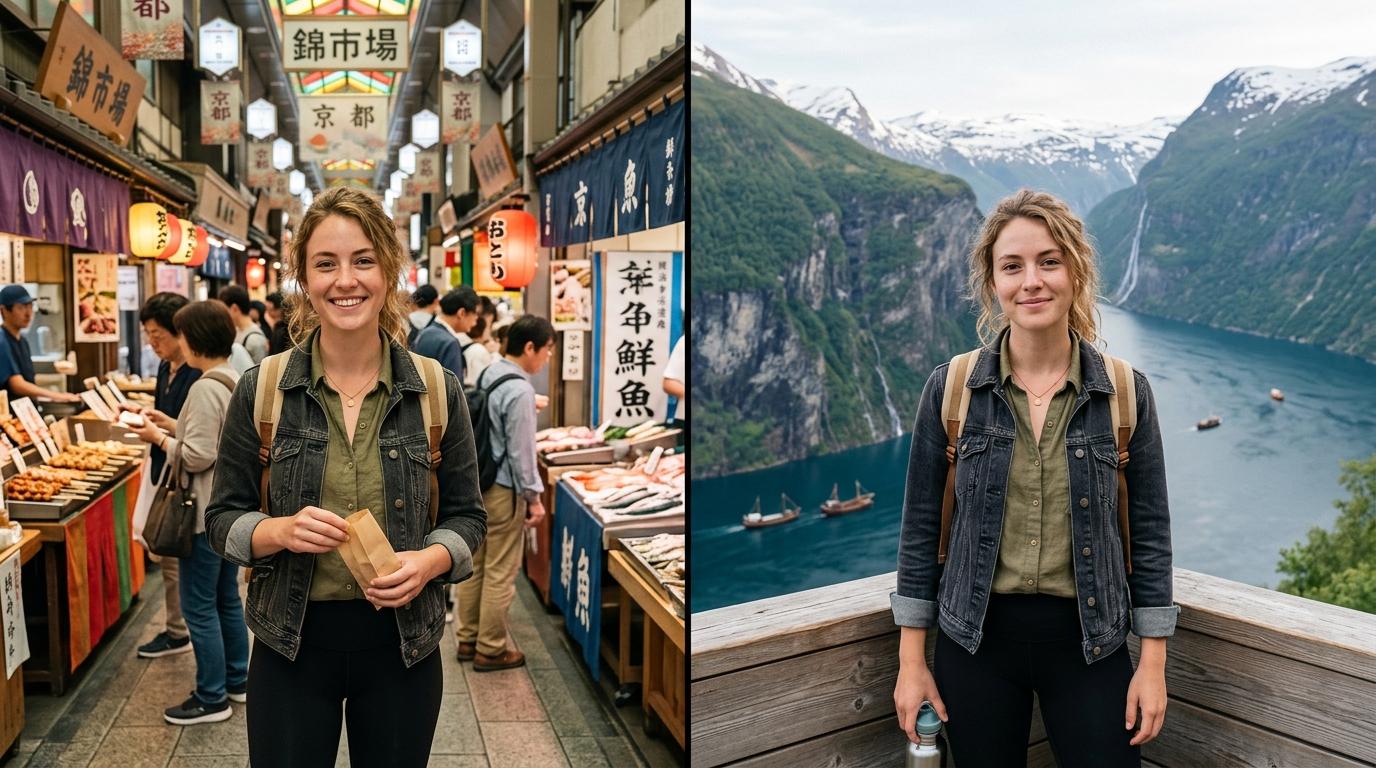
The honest framing of the account is what matters most. The bio should make clear that the imagery is AI-generated and that the character is a recurring fictional host, not a real traveller posting from each city. Captions can describe each place using real research (history, the quiet route to a viewpoint, the food in the next street) without claiming you stood there. The accounts that work treat this as a "guide" channel hosted by a character, similar to how a travel magazine has a masthead persona; the accounts that fail try to imply the AI character is a real human posting from each destination. Audiences are increasingly fluent in spotting the second pattern, and the platform disclosure rules now force the first.
Some destinations work better than others under this approach. Wide architectural landmarks, named streets, recognisable skylines, and well-documented natural sites all ground well because the platform's image search returns enough reference material to condition on. Intimate, hyper-local places (a specific small cafe, a single unmarked viewpoint, a friend's apartment) are harder because the grounding cannot find enough reference imagery, and the output reverts toward generic. Stick to places that are publicly photographable. How character-led content patterns compare across approaches is on our comparison page.
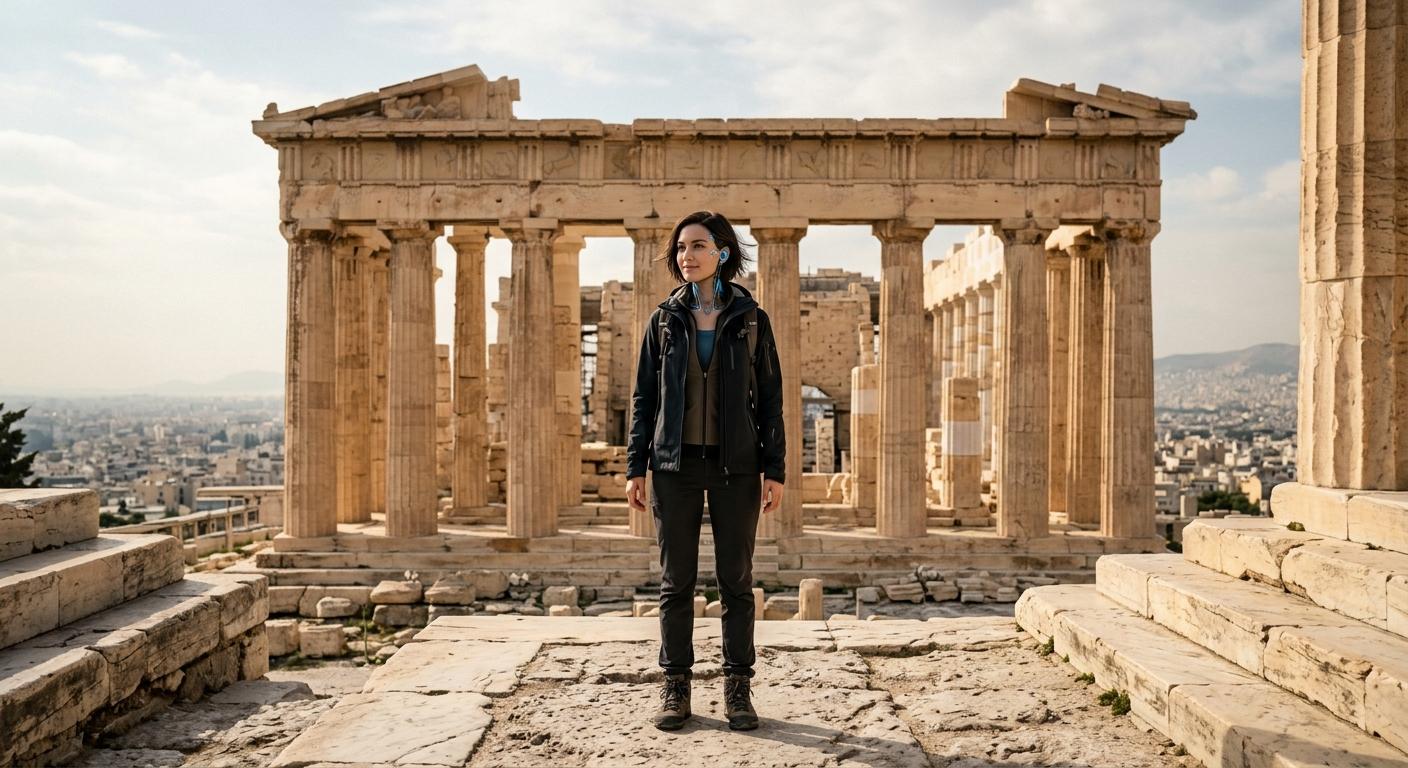
A practical posting cadence for a travel character account runs one destination per week with three to five posts: a landmark hero, a street-level scene, a food close-up (with the real dish photographed in product placement), and a "what I would not skip" carousel of two or three follow-up images. Group destinations thematically by month (coastal cities, alpine towns, ancient capitals) so the feed reads as a deliberately curated guide, not a scattered stream. Always credit the real source you researched from in the caption, particularly for historical or cultural context, and never imply you have visited a place you have not. The visual mechanics of keeping a single character consistent across a year of destinations are on the Flying Bears Talent.AI landing page.
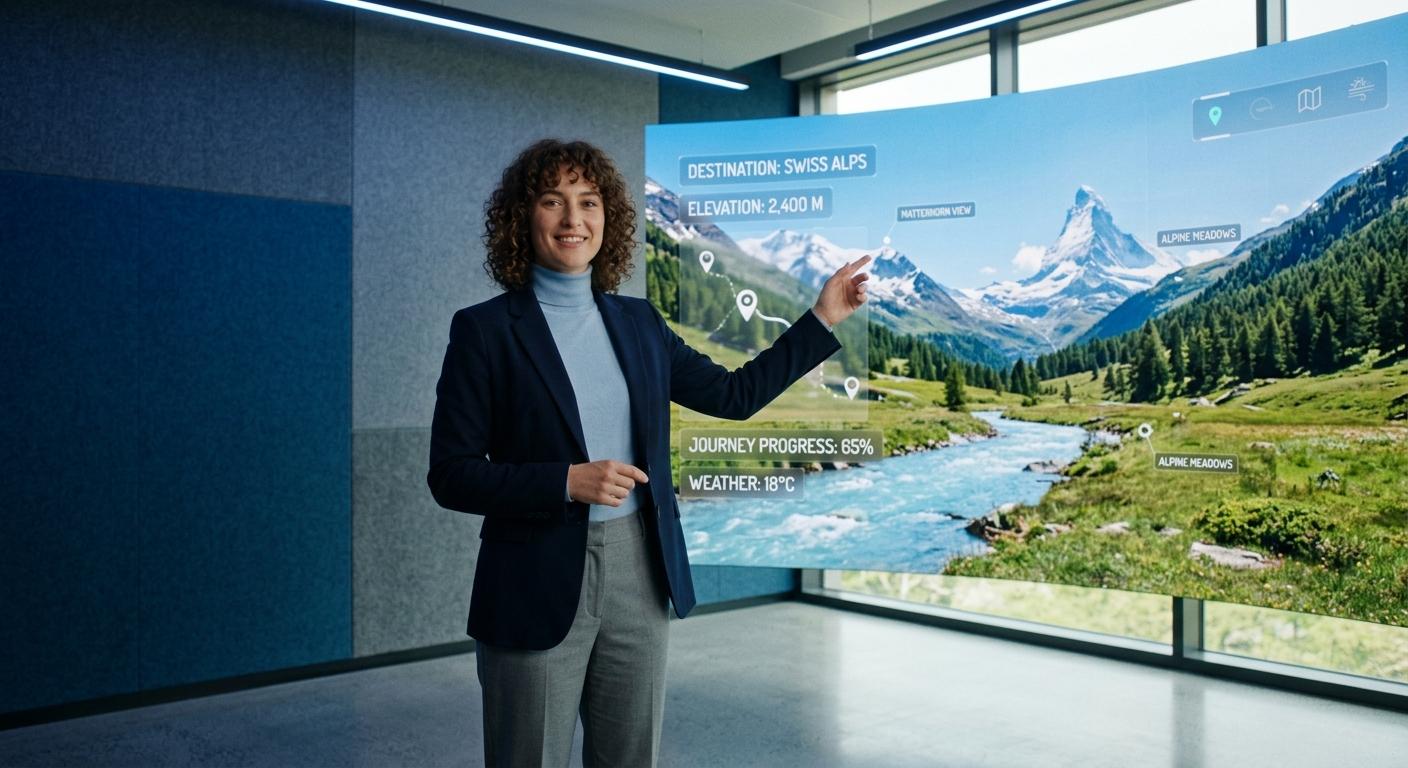
The pattern is small and repeatable: one character, one travel-coded wardrobe, one location per week grounded in real reference imagery, honest disclosure, real captions sourced from real research. Done weekly for a year, you build a fifty-destination travel feed without a single plane ticket. The accounts that grow under this approach treat the character as a fictional curator and respect the audience's intelligence; the audience rewards that respect with the kind of follow-through travel feeds usually buy with airfare. For travel-focused creators planning that kind of cadence, our monthly plans and credit packs line up credit allowances with the volume.