Tourism Board Content At Scale With An AI Character And Location Grounding
FLB Studio
May 15, 20267 min read
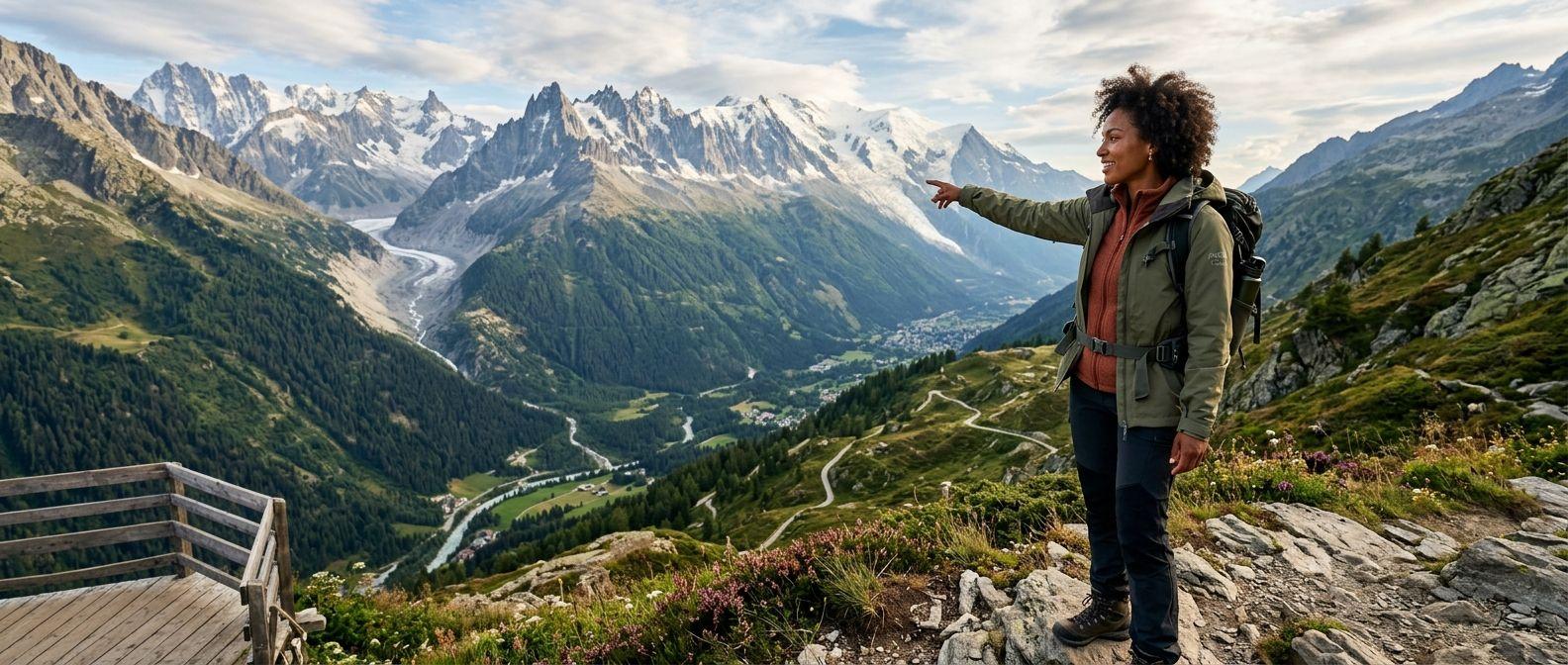
A destination marketing organisation usually has the same shape of problem. The region has hundreds of attractions worth surfacing, a small marketing team, a finite budget for creators, and a calendar that demands consistent content across seasons. The creators they can afford to send cover a handful of marquee places; the rest of the region drifts out of the feed. The result is a tourism account that promotes the same three landmarks on rotation while the actual depth of the destination goes unseen. A recurring AI character with location grounding offers a way to cover the region at scale, honestly, as a guide rather than as a fake travelogue.
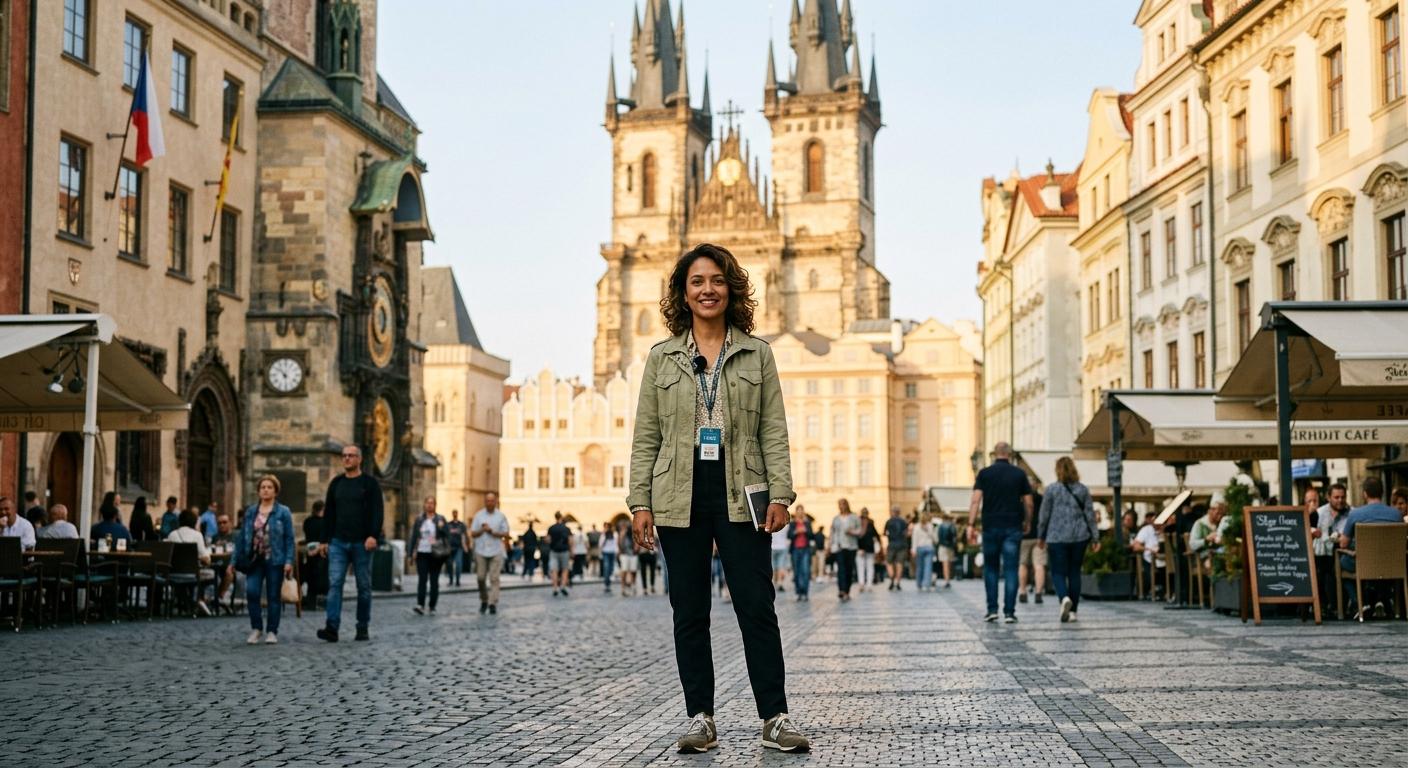
Location grounding pulls real-world reference imagery for any place the team describes (a beach, a museum, a hiking trail, a town square) and conditions the generation on those references. For a DMO, this means the AI character can be placed at any real attraction in the region with the actual landmark recognisable in frame. The character is consistent across the year (the same wardrobe-coded "host" appears in every post), and the destination itself is grounded in real photography rather than invented. The audience gets a coherent guide; the marketing team gets a covered region without sending a creator to every attraction.
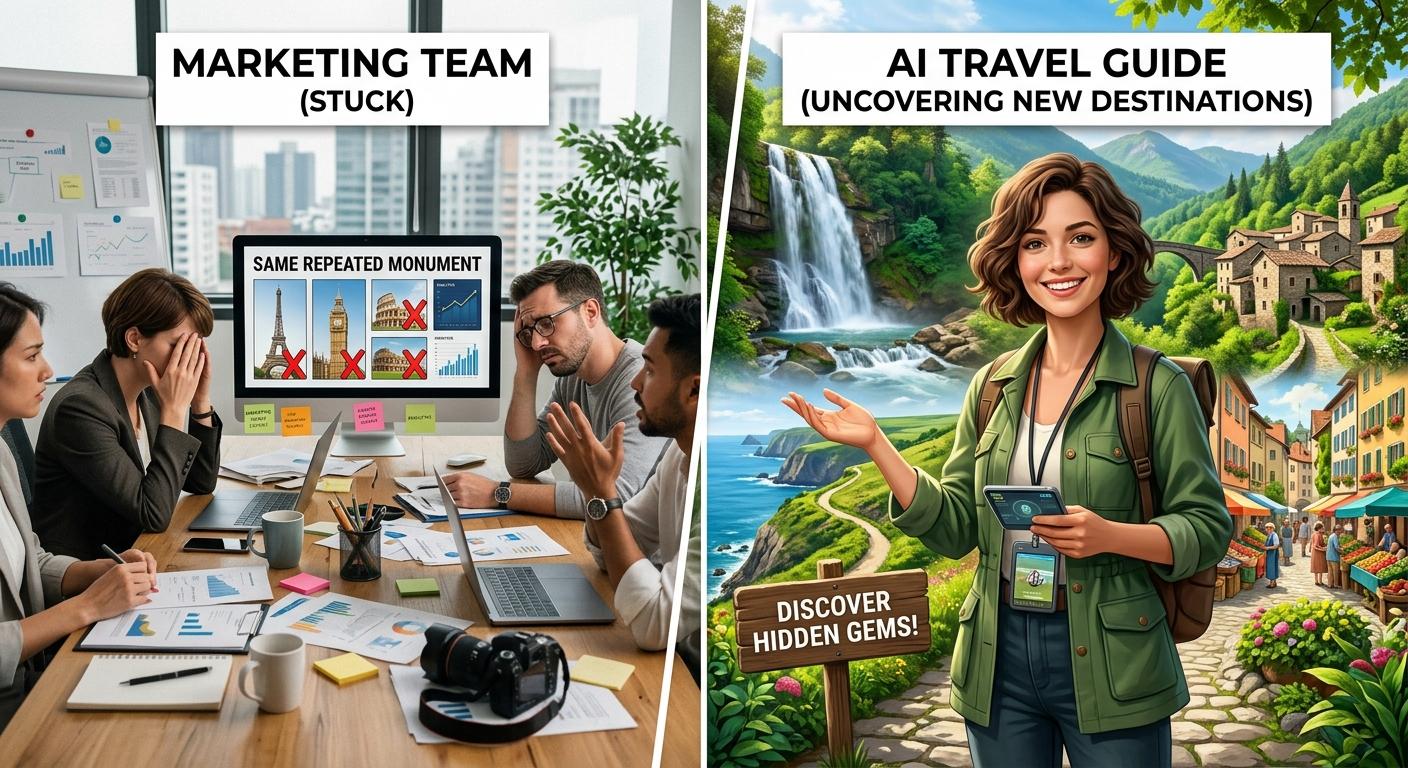
The framing question is whether the account presents itself as a guide or as a traveller. DMOs should frame the character as a guide, explicitly. The bio should say something like "your guide to [region], a fictional host bringing you real places", and at least one post per month should reinforce that. Captions describe each place using real research (history, opening hours, how to get there, what is nearby), credit local photographers and historians where due, and never imply the character has personally been somewhere. The accounts that work treat themselves as a regional magazine with a recurring masthead persona; the accounts that fail try to make the AI look like a real influencer who flew in. Audiences forgive the first and detect the second.
A practical content cadence for a DMO running this approach is one attraction per week with three to five posts: a hero shot of the landmark with the character in frame, a close-up of a specific local detail (a real cafe in the next street with product placement of the real menu, a craft from a real workshop with permission), a wide shot of the surrounding area, and a "how to visit" carousel with real practical information. Group attractions thematically by month (mountain weeks, coastal weeks, capital-city weeks) so the feed reads as a deliberately curated guide rather than a scattered stream. Character-led content patterns across destinations are easy to browse on our product examples page.
There are limits worth flagging. Cultural heritage sites and sacred or sensitive places should be approached with the same care a real travel writer would use, in consultation with local communities where appropriate; AI imagery can flatten the complexity of meaningful places and that is worth taking seriously. Climate, accessibility, and safety information should come from authoritative sources, not from the character's voice. Commercial sponsorships (a region partnering with a hotel or operator) need clear disclosure in captions, the same way they would for any real-creator content. AI imagery needs platform-level disclosure. None of this is restrictive in practice; DMOs already run editorial review on their own publications, and the character workflow extends that review to the visual surface.
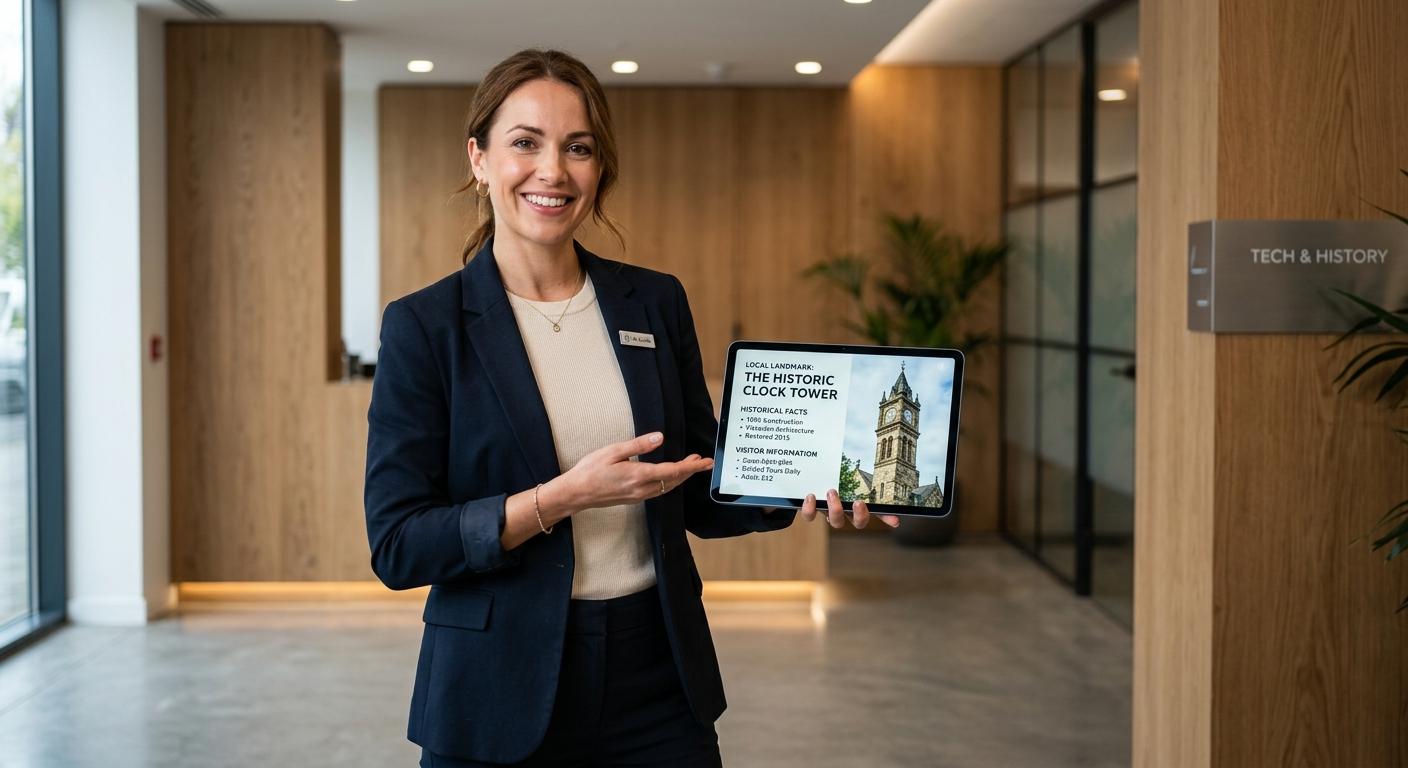
The outcome is a tourism feed that finally covers the depth of the destination rather than rotating through the same three landmarks. The recurring character compounds recognition across the year; the grounded locations give every post a real sense of place; the editorial framing keeps everything honest. Smaller communities inside the region get coverage that previously was not affordable, which is one of the actual mandates of a DMO. For tourism boards planning a regional-scale weekly cadence, our monthly plans and credit packs line up credit allowances with that kind of volume, and how the character-led approach compares to commissioning creator trips is on our comparison page.